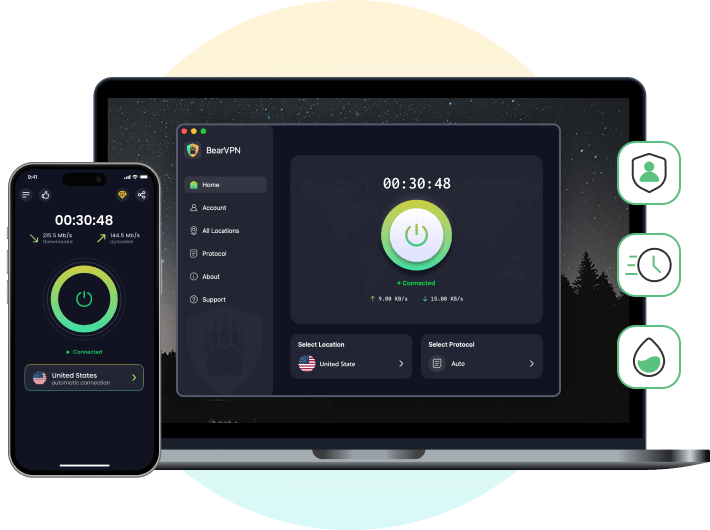
XVideos is one of the world’s most visited adult platforms, but its scale does not make every session safe. The biggest risks come from malicious ads, fake domains, unofficial downloads, tracking, and privacy exposure—not the video stream alone. BearVPN can hide your real IP and encrypt the connection before you open the site, while browser and download security still require separate protection.
- Hide your home IP behind a BearVPN server.
- Encrypt your connection before opening XVideos.
- Keep DNS leak protection and Kill Switch ready if the connection drops.
What Is Xvideos and Why People Ask If It’s Safe
Founded in 2007, Xvideos has grown into one of the world’s largest adult video platforms, consistently ranking among the top 20–50 websites globally. It hosts billions of video views every month, making it a giant in the adult entertainment industry.
So why do people wonder, “Is Xvideos safe?”
- Porn viruses – Many people have heard horror stories of computers or phones being infected by “porn viruses” after visiting adult sites.
- Malicious ads – Adult sites often rely heavily on advertising. Some of those ads can be deceptive or malicious.
- Privacy concerns – Watching adult content is a private matter. Many people are concerned that their ISP, advertisers, or even hackers may be able to track their activity.
- Scams & fake sites – The popularity of Xvideos means that copycat or fake sites often exist, designed to scam or infect users.
The reality is that while Xvideos itself is not a scam site, it’s the environment around it (ads, pop-ups, trackers) that introduces risks.
Why Users Still Question Xvideos Safety
While browser security has improved, risks still exist. Most problems do not come from Xvideos videos themselves, but from third-party ads, fake websites, malicious downloads, and online tracking.
Understanding these risks can help users browse more safely.
Is Xvideos Age Verification Safe?
Age verification requirements are becoming more common on adult websites due to changing regulations in different regions. These systems may require users to confirm their age through methods such as ID checks, credit card verification, or third-party age verification services.
While age verification is designed to prevent minors from accessing adult content, some users have privacy concerns about sharing sensitive personal information with external verification providers.
Potential concerns include:
- Data security risks if verification providers experience breaches.
- Privacy concerns around storing personal or biometric information.
- Lack of transparency about how verification data is collected, processed, or deleted.
For users who value online privacy, it is important to understand what information is being shared and use security measures that protect their internet connection and personal data.
For a more detailed look at adult website age verification and privacy concerns, see our complete guide on Xvideos age verification.
Is Xvideos Safe and Legal
This shift toward mandatory identification brings us to the broader question: is Xvideos actually safe—and is it still legal—to use in 2026? The answer is no longer a simple “yes.” While Xvideos remains a legally operating platform for adults in most jurisdictions, the “safety” of your visit is now split into two distinct battles: the safety of your identity (protecting your ID from leaks) and the safety of your device (protecting your hardware from infections).
Even if you successfully navigate the new legal age gates, you are entering a digital ecosystem that is notoriously difficult to moderate. To be fair, the Xvideos platform itself does not directly inject viruses into your computer or phone. However, the third-party infrastructure that sustains the site—specifically its massive advertising networks—remains a technical minefield. To stay fully protected, you must defend against the malware threats that have evolved in complexity alongside these new privacy laws.
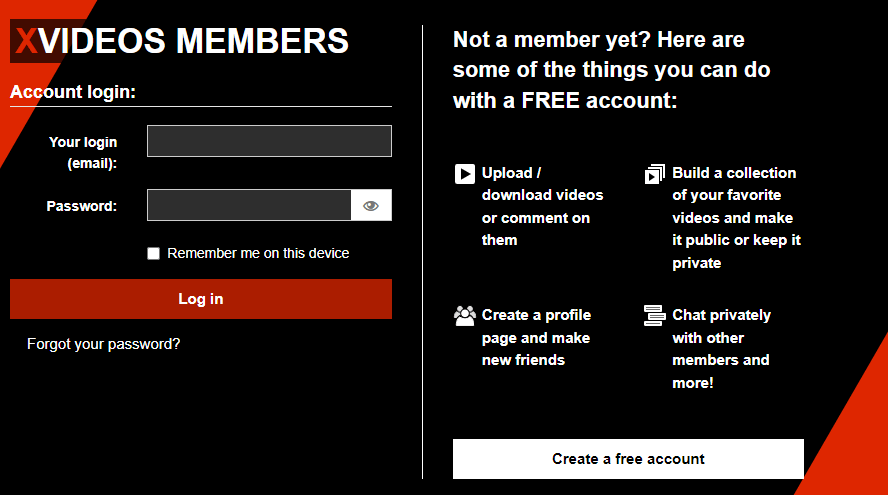
1. Malware & Malicious Ads
Many people assume that porn sites are breeding grounds for viruses. Historically, this fear was justified. Malicious actors have long used adult websites to spread malware through deceptive ads, fake “download” buttons, and forced redirects. On Xvideos, the main risk isn’t the video content itself but the advertising ecosystem.
- Some ads may lead to malvertising networks: websites that attempt to install spyware or trojans.
- Others mimic legitimate updates (“Your Flash Player is out of date — click here”), tricking users into installing malware.
- Even an accidental click on a pop-up can open a chain of redirects to shady domains.
While standard desktop browsers are highly capable of sandboxing basic web threats, the risk exponentially multiplies on mobile devices. A major security gap competitors ignore is the prevalence of rogue “official XVideos apps” distributed via third-party Android APK repositories.
While Xvideos is safer than unknown porn sites, its reliance on third-party ads means the danger of exposure to malware is still present. This is why ad-blockers and antivirus software are frequently recommended for adult browsing.
2. Spyware, Scams & Sextortion Attempts
Another common fear is receiving threatening pop-ups or emails claiming the site has “hacked your webcam” and recorded you. These are known as sextortion scams. They usually demand money (often in cryptocurrency) to prevent supposed footage from being released.
- Pop-ups may claim: “We’ve caught you watching. Pay us or we’ll tell your contacts.”
- Some phishing emails include old leaked passwords to look more convincing.
- More advanced spyware, if installed through a malicious ad, could in theory access webcams or steal data.
The counterpoint: In most cases, these threats are fake. Hackers generally don’t announce their presence with dramatic warnings. If you see such a pop-up while on Xvideos, it’s almost always a scam designed to scare you into paying.
The reality: The risk isn’t so much that Xvideos itself is running these scams, but that the adult industry is a common target for social engineering attacks. People are more likely to panic because of the sensitive nature of what they’re watching. The safest response is to close the page, clear your cache, and never send money.
3. Data Privacy & Tracking
Even if you never click an ad, simply visiting Xvideos raises privacy concerns. Like most free websites, it collects user data for advertising and analytics. This can include:
- Your IP address and device type.
- Cookies that track browsing behavior.
- Potentially sensitive insights, such as your viewing preferences.
Your ISP (Internet Service Provider) can also see that you visited Xvideos unless your traffic is encrypted. For people in countries with conservative laws or strict employers, this creates anxiety.
When debating is xvideos safe from a tracking perspective, looking only at standard browser cookies is a catastrophic mistake. Modern advertising networks have evolved far beyond local text files, utilizing sophisticated server-side tracking methodologies that bypass Incognito mode entirely.
Mobile Safety Risks When Using Xvideos
Mobile users should be especially careful with unofficial apps and third-party downloads claiming to provide Xvideos access.
The safest practices include:
- Avoid downloading unofficial APK files.
- Do not install apps from unknown sources.
- Keep your mobile operating system updated.
- Use trusted security software when needed.
Xvideos should be accessed through the official website rather than third-party apps or mirrors.
Online Tracking and Privacy Concerns
Like many free websites, Xvideos may use cookies and analytics tools to understand visitor behavior and improve its services.
Users who are concerned about online privacy can take simple steps to reduce tracking, such as reviewing browser privacy settings, managing cookies, avoiding suspicious websites, and using privacy tools like a VPN.
A VPN can help protect your connection by encrypting your internet traffic and masking your IP address, providing an additional layer of privacy when browsing online.
4. Legal & Regional Restrictions
In certain regions, access to Xvideos is blocked by ISPs or outright banned by governments. In these cases, attempting to access the site may carry legal risks. Even where it is legal, new rules (like age verification laws) may require you to submit personal information to access adult content — raising new privacy concerns.
For most people in countries where adult content is legal, this isn’t a pressing issue. Xvideos doesn’t require you to log in or pay for content, so casual browsing may feel anonymous.
The legal risk depends heavily on where you live. In some countries, simply trying to access the site could put you on a government watchlist. In others, the biggest concern is who else can see your traffic (such as your ISP). In both cases, a VPN provides a solution by encrypting your connection and helping you bypass restrictions.
How to Browse Xvideos Safely and Anonymously
Understanding the risks is only half the battle — the next step is learning how to reduce or eliminate them. While no method guarantees 100% safety, following best practices makes it far less likely you’ll run into malware, scams, or privacy leaks. Let’s explore the most important protections in detail.
1. Use a VPN (BearVPN)
Perhaps the most effective single step you can take is to use a Virtual Private Network (VPN). A VPN works by encrypting your internet connection and routing it through a secure server, hiding your real IP address.
Your ISP can normally see that you’re visiting adult websites. With a VPN, that traffic is encrypted, and the ISP only sees that you’re connected to the VPN server — not what you’re watching.
Added benefits: A VPN can also bypass geo-blocks (if Xvideos is restricted in your region) and protect you on unsecured public WiFi.
The counterpoint: Some people argue they “have nothing to hide.” While that may be true, adult browsing is highly personal. Even if you don’t fear government surveillance, you may still want to prevent advertisers, employers, or hackers from building a profile of your habits.
Why BearVPN? Unlike some free VPNs that log user activity or throttle speeds, BearVPN provides privacy-focused features including RAM-only servers, AES-256 encryption, DNS leak protection, Kill Switch, and a strict no-logs policy. That combination makes it especially suitable for streaming-heavy activities like browsing Xvideos.
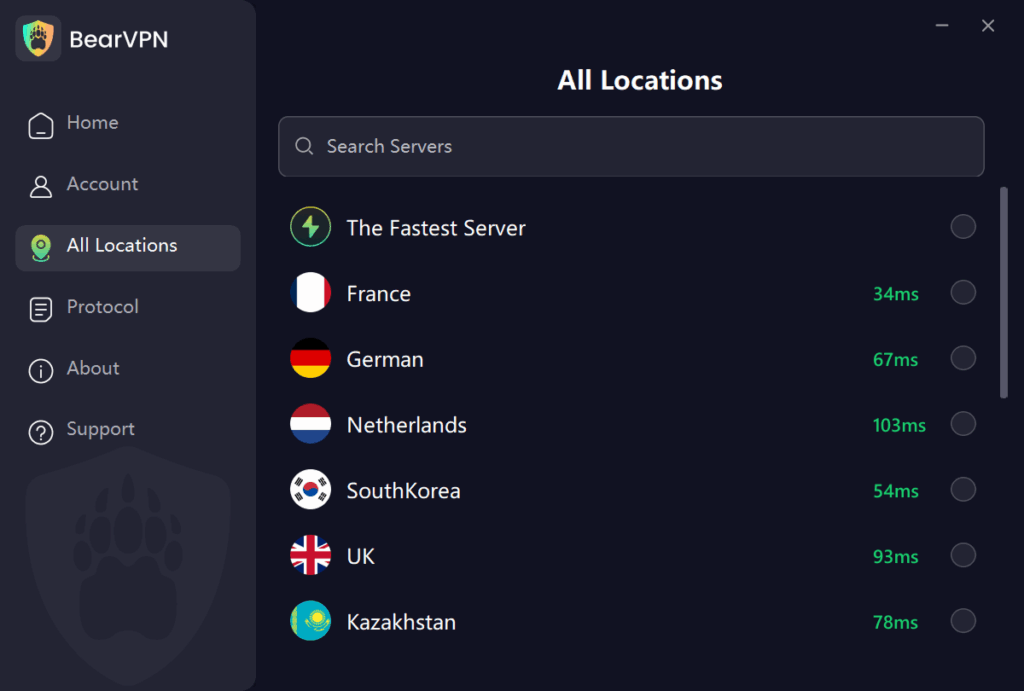
Ready to stop exposing your home IP? Download BearVPN for your device, connect to a server, and open XVideos only after the VPN connection is active.
2. Install an Ad Blocker
The majority of malware risks on Xvideos come from advertising networks. Pop-ups, flashy banners, or “click here” buttons are the main culprits behind infections. Installing an ad blocker can neutralize many of these risks.
- Ad blockers like uBlock Origin, AdGuard, or Ghostery prevent malicious scripts from loading in the first place. That means fewer chances of accidentally clicking a bad ad.
- The counterpoint: Some argue that ad blockers can occasionally interfere with legitimate site features or reduce revenue for free sites. However, when it comes to adult browsing, safety usually outweighs supporting ads.
- Pro tip: If you use BearVPN alongside an ad blocker, you get layered protection — privacy at the network level and safety at the browser level.
3. Enable Incognito or Private Browsing Mode
Incognito mode (also known as private browsing) is a built-in feature in most browsers. It doesn’t make you invisible online, but it does prevent your device from storing history, cookies, and autofill data.
- If you share a computer, incognito ensures your browsing activity isn’t saved locally, reducing the chance of awkward discoveries.
- Others mistakenly believe incognito hides their activity from ISPs or websites.
- Best practice: Use incognito in combination with a VPN. This way, nothing is stored locally, and your traffic is encrypted externally.
4. Keep Antivirus Software & Devices Updated
A strong antivirus program remains one of the best defenses against malware. Coupled with regular updates, it ensures your system can recognize and block new threats.
- Antivirus software can catch malicious downloads, detect trojans, and quarantine suspicious files before they cause damage.
- Updates matter: Outdated systems are prime targets for attackers. Keeping your OS and browser updated closes security holes.
- The counterpoint: Antivirus alone doesn’t prevent tracking or ISP visibility. It protects the device, but not your privacy.
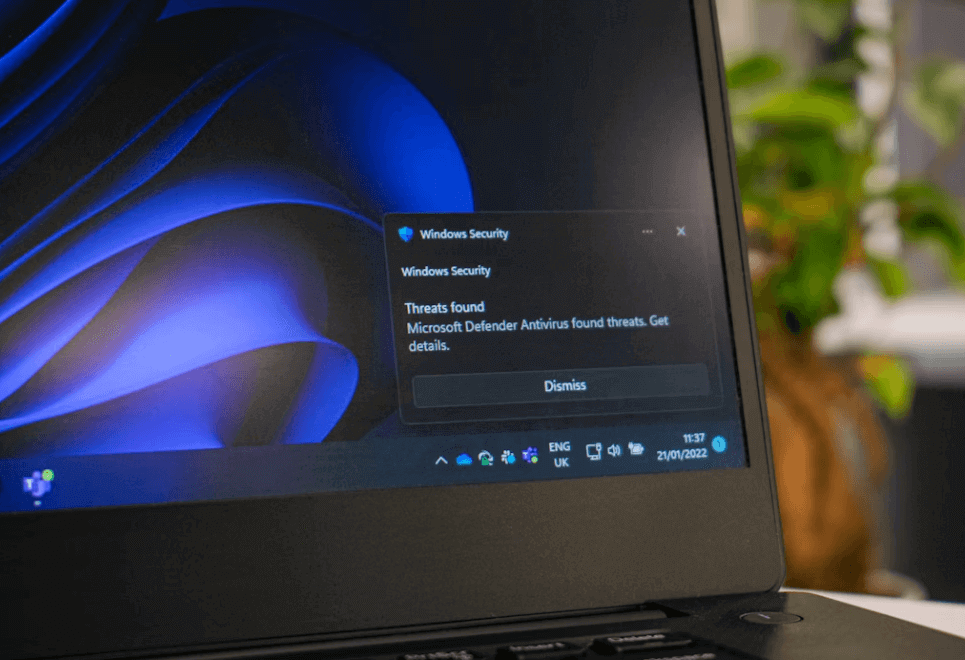
- Use BearVPN for network encryption and public-IP masking.
- Use browser warnings and an ad blocker for risky redirects.
- Use antivirus and updates for file and device threats.
5. Only Use the Official Site
Xvideos is accessible only through its official domain. Fake “mirror” sites and unauthorized apps pose major risks.
- Sticking to the official site ensures you aren’t tricked by clones designed to steal credentials or distribute malware.
- The counterpoint: Some people look for unofficial “apps” or third-party downloaders for convenience. These are almost always unsafe.
- Best practice: Bookmark the official Xvideos site and avoid downloading any “Xvideos app” — especially from Android APK stores or unofficial sources.
6. Clear Cookies & Cache Regularly
Cookies store browsing data, which can include sensitive information about your viewing habits. Clearing them regularly reduces tracking.
- It minimizes the risk of advertisers building a long-term profile of your preferences.
- The counterpoint: Clearing cookies can log you out of sites or reset preferences. While slightly inconvenient, it’s a small price for increased privacy.
- Pro tip: Combine cookie clearing with privacy-focused browsers like Brave or Firefox for even more control.
7. Avoid Clicking Ads or Downloading Files
It may sound obvious, but curiosity clicks are one of the biggest sources of infections. Many Xvideos ads are designed to tempt you into clicking.
- Simply avoiding ads, pop-ups, and third-party downloads cuts your risk dramatically.
- The counterpoint: Some ads may look convincing or mimic official content, tricking even cautious users. That’s why pairing this habit with ad blockers and antivirus software creates a stronger safety net.
Conclusion
Is Xvideos safe? The answer is yes, but only if you are proactive. The site is a legitimate platform, but the 2026 digital environment is hostile toward privacy. Between aggressive ID laws and AI scams, you cannot rely on the site to protect you.
By integrating BearVPN with a hardened browser and staying informed on the latest legal shifts, you can enjoy online entertainment without sacrificing your identity or security.
Ready to browse with less exposure? Connect BearVPN before your next XVideos session and keep your real IP and viewing traffic away from your ISP and the destination site.
FAQ
The videos themselves won’t infect you. However, ads, pop-ups, and downloads from outside the site can carry malware. Always use a VPN, ad-blocker, and antivirus.
While iOS heavily restricts sideloading to minimize direct package contamination, you remain fully vulnerable to WebGL fingerprinting and phishing redirects. On Android, the threat is significantly higher due to malicious third-party .apk packages that harvest device administrator permissions. To guarantee a secure mobile session, always connect via BearVPN to encrypt your metadata, explicitly avoid unauthorized “adult app” downloads, and regularly audit your mobile security settings in Safe Mode if background battery drain occurs.
You can technically access it without one, but a VPN is highly recommended. It hides your activity from ISPs, prevents tracking, and adds protection against hackers.
It is “safe” from a malware perspective if you have an ad-blocker, but it is not private. Your ISP and the site itself will have a record of your IP address and viewing habits.
In most countries, viewing Xvideos is legal for adults. However, some countries block porn sites. Always follow local laws.
Yes. A high-quality no-logs policy VPN like BearVPN encrypts your traffic so the ISP only sees that you are connected to a VPN server, not the specific videos you are watching.