VPN Kill Switch: Stay Protected If Your VPN Drops

What Is a VPN Kill Switch?
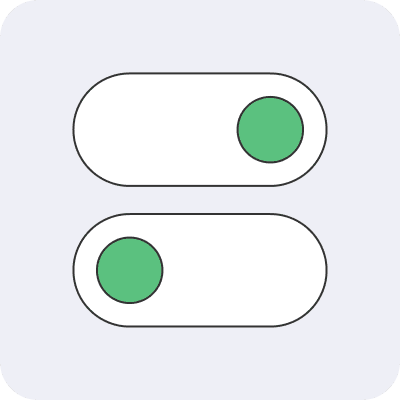
This helps reduce the risk of exposing your real IP address, DNS requests, location signals, or background app traffic outside the VPN tunnel. It does not prevent the underlying network from disconnecting; it controls what happens to your traffic while VPN protection is unavailable.
Why Use a VPN Kill Switch?

Prevent Real IP Address Exposure
Without a kill switch, your device may return to its normal internet connection when the VPN drops. Blocking traffic helps keep your real IP address from being exposed during that gap.
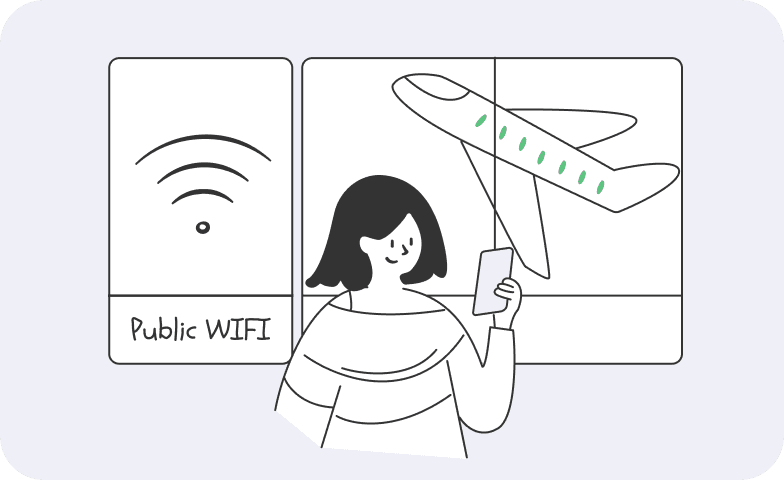
Stay Protected on Unstable Wi-Fi
Unstable hotspots can interrupt a VPN without warning. The kill switch stops traffic from continuing over the regular Wi-Fi connection until VPN protection returns.

Stop Traffic From Bypassing the VPN
If the encrypted tunnel fails, your internet provider may again be able to associate network traffic with your connection. A kill switch pauses that traffic instead of letting it bypass the VPN.

Protect Persistent Connections
Streaming, peer-to-peer apps, and other persistent connections can keep exchanging data in the background. A kill switch prevents them from silently switching to your real IP address when the VPN drops.

Add a Safety Net for Sensitive Activity
When accessing accounts or handling private information, the kill switch prevents new traffic from leaving outside the VPN tunnel during an unexpected interruption. It does not replace HTTPS, two-factor authentication, or normal account security.
Block Unprotected Background Traffic
Cloud sync, messaging, browsers, and other background apps may continue sending data even when you are not actively using them. A kill switch blocks that traffic until the VPN connection is restored.
Types of VPN Kill Switches
VPN kill switches generally protect either the whole device or selected apps. The exact implementation and available controls depend on the VPN service and platform.
VPN Kill Switch Protection Across Your Devices


How to Enable the Kill Switch in BearVPN

How Does a VPN Kill Switch Work?
Monitoring the VPN Tunnel
Detecting a Disconnect
Blocking Unprotected Traffic
Restoring Protected Access
When Does a VPN Kill Switch Activate?
Unexpected VPN Disconnect
If the VPN connection drops because of a temporary network or server interruption, the kill switch blocks traffic before it can use your regular connection.
Changing Networks
Moving between Wi-Fi and mobile data, changing hotspots, or waking a device can briefly interrupt the VPN tunnel. The kill switch keeps traffic paused during the transition.
VPN App or Tunnel Interruption
If the VPN app or protected tunnel stops working unexpectedly, the kill switch prevents other apps from continuing to send traffic outside the VPN.
More Privacy Features Beyond the VPN Kill Switch

Kill Switch

Hide IP Address

Split Tunneling

AES-256 Encryption

No-Logs Policy

Protect Up to 10 Devices

Dedicated IP

Double VPN
