Key Takeaways
- Most blocks are network-based (DNS filtering, firewall rules, app/domain blocks), not a TikTok “bug.”
- The quickest diagnosis is comparing school Wi-Fi vs mobile data/hotspot (if permitted).
- A reputable VPN is usually the most reliable fix for “TikTok blocked on school Wi-Fi,” when your school rules allow it.
- Avoid free proxy sites and sketchy browser extensions—they’re common sources of account theft and tracking.
- If the device is school-managed (MDM/admin controls), your options may be limited on that device even if TikTok works elsewhere.
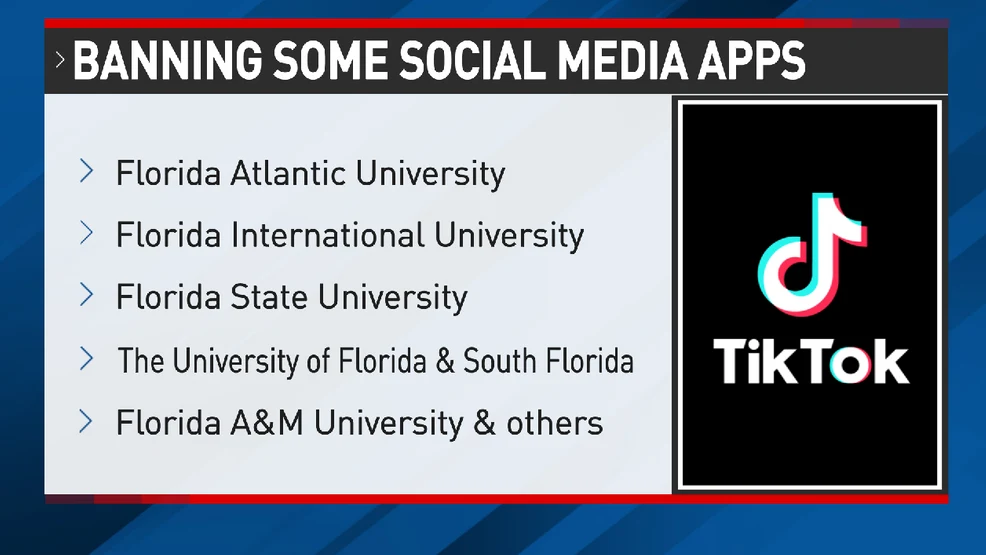
TikTok getting blocked on school Wi-Fi is frustrating—especially when everything works fine on mobile data. In most cases, it isn’t your phone or your account. It’s the network: schools often filter “social media” categories, block specific domains, or throttle video traffic to reduce distractions and protect bandwidth. The good news is that you can usually figure out what’s happening in a minute or two and pick a fix that fits your situation. This guide walks you through quick diagnosis, the most reliable solution when it’s allowed, and safer alternatives that won’t put your privacy at risk.
Why TikTok Is Blocked on School Wi-Fi
School networks don’t block TikTok for a single reason; they usually combine policy, safety controls, and bandwidth management. Once you understand the “why,” you’ll stop guessing and start choosing the right fix for your specific situation—phone, Chromebook, or school computer.
Most schools use one (or several) of these methods:
- Category filtering: TikTok gets flagged under “social media” or “streaming,” and the filter blocks it by default.
- DNS filtering: The network resolves TikTok-related domains to nowhere, so the app sits on a blank screen or refuses to load.
- Firewall/app rules: Some networks block specific IP ranges, ports, or app signatures.
- Bandwidth shaping: TikTok may load, but videos stall, buffer forever, or fail to refresh.
- Account-level or device policies: On school-managed devices, admins can restrict app installs or disable certain services.
A classic clue is this: TikTok works on mobile data, but stops on school Wi-Fi. That’s almost always a network rule—not your phone suddenly “breaking.”
30-Second Diagnosis: Figure Out What You’re Dealing With
You don’t need to be technical to diagnose a block. You just need to compare a few conditions and watch how TikTok behaves. The goal here is simple: identify whether the restriction is on the Wi-Fi network, on the device, or inside TikTok itself.
Here’s the fastest way to troubleshoot:
Step 1. Compare networks (Wi-Fi vs mobile data)
- If TikTok loads on mobile data but not on school Wi-Fi, the block is network-based.
- If TikTok fails on both, check TikTok outages, app updates, or your account/login.
Step 2. Compare app vs web
Try TikTok on a browser (if accessible) and then in the app.
- If the web works but the app doesn’t, the network may be blocking app-specific traffic.
- If both fail, it’s likely domain/category filtering or DNS filtering.
Step 3. Check whether the device is school-managed
On a school Chromebook or school-issued laptop, restrictions can be enforced at the device level.
- If you can’t install apps, can’t change network settings, or see “managed by your organization,” that’s a strong sign the device is locked down.
This diagnosis takes less than a minute and saves you from trying random “fixes” that don’t match the real cause.
TikTok Unblocked at School: The Most Reliable Option
If your school policy allows privacy tools on personal devices, a VPN is often the most dependable way to get TikTok unblocked on school Wi-Fi. It works because it encrypts your traffic, making it harder for network filters to identify and block specific apps or domains.
A VPN isn’t a magic key for every situation, though. Before you use one, you should understand what it changes—and what it can’t.
What a VPN helps with (and what it doesn’t)
A VPN can help when:
- TikTok is blocked by DNS filtering or category-based filters on the Wi-Fi network.
- TikTok is throttled, and you’re seeing endless buffering or slow refresh cycles.
- You’re using public Wi-Fi and want privacy protection while browsing.
A VPN may not help when:
- The device is school-managed (MDM/admin policies) that restricts apps or network behavior.
- The network blocks or detects VPN connections aggressively (some do).
- You’re trying to use TikTok in a context where your school rules explicitly forbid it.
So the practical takeaway is: VPNs are best for network-based blocks on your own device, not for bypassing device management on school-owned hardware.
How to Unblock TikTok on School Wi-Fi with a VPN
Once you’ve confirmed the block is coming from the network, you want a method that’s stable, fast enough for video, and not a privacy gamble. This is where a reputable VPN is different from free proxies or random “TikTok unblocked” sites.
Below is a straightforward approach you can follow on a phone, laptop, or compatible Chromebook setup.
1. Choose a reliable VPN that prioritizes speed and privacy
TikTok is sensitive to connection quality—short spikes in latency or packet loss can make the feed stall. Look for a VPN that offers:
- Modern protocols (e.g., WireGuard-style speed)
- Stable servers near your region
- A kill switch (so your traffic doesn’t leak if the VPN drops)
2. Connect to a nearby location first
For TikTok unblocked at school, you usually don’t need a faraway server. A nearby region is often the best balance of speed and stability. If the first location doesn’t work, switch once or twice.
3. Test TikTok, then adjust only if needed
Open TikTok and test:
- Feed refresh
- Video playback
- Login/verification prompts
If it still doesn’t load, try a different server region and re-test.
Using BearVPN in this scenario (a practical setup)
BearVPN fits well for school-network restrictions because it’s designed for everyday use, not complicated networking projects.
A simple flow looks like this:
- Install BearVPN on your device and sign in.
- Turn on key safety settings (like a kill switch if available on your platform).
- Use Auto/Smart selection (or pick a nearby server) for the best speed.
- Connect, then open TikTok and confirm the feed loads normally.
If your goal is to unblock TikTok at school Wi-Fi without turning it into a troubleshooting marathon, you’ll usually get the best result by keeping it simple: nearby server + stable protocol + safety settings on.
Unblock TikTok on a School Chromebook: What’s Different
Chromebooks are a special case because many school Chromebooks are managed by administrators. That management can limit what you can install, which extensions you can use, and whether VPN apps are allowed at all.
If you’re trying to unblock TikTok on a school Chromebook, you’ll generally fall into one of these scenarios:
Scenario A: It’s your personal Chromebook
If it’s not managed by the school, you can use normal solutions:
- VPN app (if supported)
- Browser-based access (if not blocked)
- Troubleshooting DNS and network settings (if you have permission)
Scenario B: It’s a school-managed Chromebook
You may hit hard limits:
- App installs blocked
- VPN settings disabled
- Extensions restricted
- Network settings locked
In that case, the best “fix” is often not a trick—it’s a reality check:
- TikTok might be blocked at the device policy level, not just the network.
- You’ll have more success using your personal device on a permitted connection than fighting device administration.
If you want the least painful path, don’t treat a locked school Chromebook like a normal laptop. Diagnose first, then decide whether it’s even a solvable problem on that device.
If a VPN Isn’t an Option: Safer Alternatives That Actually Help
Not everyone can use a VPN on a school network, and in some schools it’s explicitly disallowed. In that case, your best options are the ones that don’t compromise your security or break device rules.
Here are safer, practical alternatives:
1. Switch to mobile data or a personal hotspot (when permitted)
This is the cleanest “test” and sometimes the cleanest solution.
- If TikTok works instantly off Wi-Fi, you’ve proven it’s a school-network restriction.
- You also avoid downloading risky tools or messing with device settings.
2. Use TikTok in a browser (if it’s not blocked)
Sometimes only the app traffic is restricted.
- Try a browser session and see if playback works.
- If the browser works but the app doesn’t, you’ve learned something valuable: the network is filtering by app signatures or endpoints.
3. Do basic device troubleshooting (surprisingly common fixes)
These aren’t flashy, but they solve a lot of “TikTok not working” cases:
- Update TikTok and restart the device
- Toggle airplane mode on/off (phone)
- Clear TikTok cache (where available)
- Check your time/date settings (a wrong clock can break logins and secure connections)
4. Avoid the risky stuff
If you’re tempted by “tiktok unblocked at school without vpn” shortcuts, be careful. Many of these routes involve:
- Unknown proxy sites that can log your activity
- Browser extensions with aggressive tracking
- Apps that ask for suspicious permissions
If you care about your TikTok account and your privacy, the rule is simple: don’t trade safety for convenience.
Common Problems: Quick Fixes When TikTok Still Won’t Load
Even with the right approach, you might hit a few stubborn issues. The key is to interpret symptoms rather than trying ten random changes. Use the scenarios below to narrow it down fast.
1. VPN connected, but TikTok still doesn’t work
Try these in order:
- Switch to a different nearby VPN server (one change at a time).
- Toggle Wi-Fi off/on after connecting (some networks cache DNS routes).
- If your VPN has protocol options, try the fastest/most modern option first.
2. It works on my phone, but not on the school computer
That often means:
- The school computer is locked down (admin policies).
- The browser is filtered differently than mobile apps.
- TikTok domains are blocked on that device profile.
Your best option is usually your personal device, not forcing it on a managed system.
3. Videos load, but scrolling is slow or posts fail to upload
That can be:
- Bandwidth throttling
- Unstable Wi-Fi signal
- VPN server congestion (switch servers)
TikTok is real-time and media-heavy. Stability matters as much as raw speed.
4. Login or verification keeps failing
Try:
- Updating TikTok
- Switching networks briefly (mobile data can help complete verification)
- Ensuring your device time/date is correct
If you’re using a VPN, keep the location stable while logging in to reduce suspicious-login triggers.
Safety, Privacy, and School Rules: Don’t Create a Bigger Problem
Getting TikTok unblocked at school can be a simple fix—or it can become a mess if you use the wrong tools. The biggest danger isn’t “it didn’t work.” It’s that you expose your data or lose your account.
Here’s how to stay smart:
- Respect school policies and classroom rules. Even if something is technically possible, it may not be allowed on that network or device.
- Avoid free proxies and random “unblocked” sites. If a site is offering a “free unblock,” you’re often paying with your data.
- Be wary of extensions. A single malicious extension can read what you type, hijack sessions, or inject ads.
- Protect your accounts. Use strong passwords and enable two-factor authentication where possible.
If you want a clean, low-risk approach, the safest pattern is: diagnose the block → choose a reputable tool (or a permitted alternative) → make minimal changes.
Conclusion
If TikTok is blocked at school, you’ll get further by diagnosing the restriction than by chasing random tricks. Start by comparing school Wi-Fi to mobile data and checking whether your device is managed by the school. When the block is network-based and you’re allowed to use privacy tools, a reputable VPN is usually the most reliable way to restore access and keep your traffic protected on shared Wi-Fi. If a VPN isn’t an option, stick to safer alternatives like permitted hotspot use, browser access, and basic troubleshooting—so you solve the problem without sacrificing your privacy or account security.
FAQs
1. Can schools block TikTok even if you use a VPN?
Yes. Some networks block VPN traffic or detect and restrict it. A VPN often works for DNS/category filtering, but it won’t guarantee access on every tightly controlled school network.
2. Why does TikTok work on mobile data but not on school Wi-Fi?
Because the restriction is usually applied on the Wi-Fi network—DNS filtering, firewall rules, or category-based filters—while mobile carriers don’t use the same school policy controls.
3. Does a VPN work on a school Chromebook?
Sometimes, but it depends on whether the Chromebook is school-managed. On a personal Chromebook, you generally have more options. On a managed one, installs and VPN settings are often blocked by administrators.
4. Is it safe to use free “TikTok unblocked” proxy sites?
It’s risky. Many proxy sites log your activity, inject ads, or expose you to tracking. If you care about privacy and account safety, avoid unknown proxies and suspicious browser add-ons.
5. What’s the easiest way to watch TikTok during breaks without messing with school devices?
If permitted, using your own device on an allowed connection (or a privacy-safe method like a reputable VPN on your personal device) is usually cleaner than trying to force TikTok onto managed school hardware.
6. Why is TikTok loading, but videos keep buffering?
That’s often bandwidth throttling, weak Wi-Fi, or an unstable route. Try moving closer to the access point, switching to a less congested network, or (if allowed) using a stable VPN server closer to your location.