With the rapid development of online websites and services, regulators have stepped in with various privacy laws. To align such rules and regulations, age verification becomes an essential part. The primary purpose of age verification is to prevent minors from accessing adult content. It uses IP address check, proof of identity, or face recognition to verify whether you are allowed to access the target content.
The pop-up showing “Are you 18?” prompts are everywhere, and they’re becoming more insistent. It’s not a random question for your age, but a direct response to a global legal push to protect children online. The problem is: Is age verification safe? The age verification process, meant to protect minors, creates a new set of privacy risks for consenting adults. In this article, we will explore the detailed information about this security question and offer some tips to protect your privacy.
What Information Is Collected for Age Verification?
According to different types of age verification, the information collected varies during the process. Not all age verification methods are created equal. They exist on a spectrum, from a simple, easily fooled question to a full-blown biometric identity check. Here are the most common types of information collected, from least to most invasive:
| Verification Type | Information Collected | Privacy Risk | Who Uses It |
| Self-attestation | “Are you over 18? (Yes/No)”. A date-of-birth (DOB) entry form. | Very low. You can easily lie, and no personal data is stored or verified. | Sites with low legal risk, like online stores for alcohol or R-rated movie trailers. |
| Persona Database | Phone number Credit card Credit Reference Agency | Medium. You are not handing over your ID, but you are linking your identity to the service and trusting that your credit card or phone data is handled securely. | Companies in the tech, gaming, and adult industries, along with financial, e-commerce, and government services. |
| IP Detection | IP address | High. Your location and browsing history can be tracked online. | Online gambling, streaming platforms, adult content, and age-restricted products providers. |
| Government ID | Driver’s License Passport National ID Card | High. This is a complete, unredacted copy of your most sensitive identity document. You are trusting an unknown entity not to lose, leak, or misuse it. | Sites or social media contain adult content. |
| Biometric Verification | Biometric data in the form of your facial geometry. | Extremely High. Biometric data is unique and unchangeable. A leak of this data is permanent and could be used for identity theft in ways we can’t even yet imagine. | Government, financial services, and carrier providers. |
Is Age Verification Safe?
Generally speaking, age verification is not 100% safe due to significant concerns regarding data privacy and security risks. Verification providers claim to use advanced encryption and promise to delete your data immediately after verification. But in reality, these centralized databases of IDs and faces are valuable and attractive targets that a hacker could possibly imagine. The bad news is that danger happens everywhere.
True Risks of Privacy Leak Through Age Verification
Age verification data leak is not as easy as changing a password. You may encounter multiple online privacy problems.
- Identity Theft: With your full name, date of birth, address, and a high-resolution photo of your driver’s license, a criminal has everything they need to impersonate you. They can open bank accounts, take out loans, or file fraudulent tax returns in your name.
- Biometric Forgery: Your biometric selfie could be used to bypass other security systems that use facial recognition.
- Loss of Anonymity: A breach could link your real-world government ID to your online persona. For users of adult sites, political forums, or niche communities, this could lead to personal embarrassment, blackmail, or even physical danger.
- Data Misuse: The risk isn’t just from hackers. A verified, ID-linked “over 18” status is incredibly valuable to advertisers. Your data could be sold or used to build a permanent, un-erasable profile of your most sensitive online habits.
With so many potential risks that age verification may lead to. You are betting that the company you’re giving your ID to has perfect, permanent security. But you should also take precautions when verifying online.
Related article: How to Bypass Roblox Age Verification
How to Protect Age Verification Data Online
Given that age verification is often mandatory, “just say no” isn’t a practical option. You have to engage with the system. Here are 5 tips you can take to make the process as safe as possible.
1. Use a VPN – Ultimate Protection
A VPN for age verification creates an encrypted, secure tunnel between your device and the internet. While it can’t protect you if the verification company itself gets breached, it protects you from a wide range of other threats. BearVPN works best to prevent age verification data tracking. It encrypts your entire connection, making your data unreadable to any attackers. Most importantly, BearVPN supports bypassing location-based age verification for adults to ensure online security.
Here’s how to use it:
Step 1. Download and install BearVPN on your Windows, Mac, iOS, or Android device.
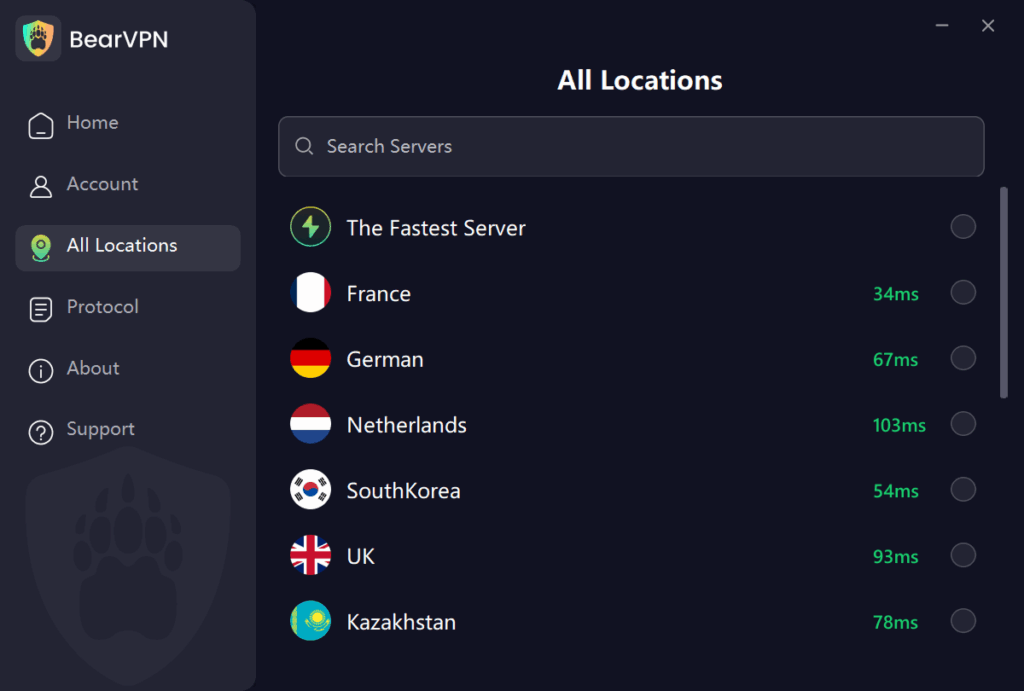
Step 2. Open the app and choose a server to connect to.
Step 3. Clear your browser cache and history.
Step 4. Go to the website and process the age verification.
Besides using a VPN, there are also some tips you should know for age verification. Keep checking in the following part.
2. Vet the Verifier Before Upload
You should first understand who is asking for the age verification. Make sure it’s the official or verified website. Pay attention to scam sites that may use fake verification pop-ups to phish for your ID. For an unknown verifier, you can ask in forums to confirm its security.
3. Look for the Padlock
Make sure to submit your age verification on a website that has https:// and a padlock icon in the address bar. The S stands for Secure and means your connection to the server is encrypted.
4. Check the Privacy Policy
Before verifying, you can always check the website’s Privacy Policy regulations and see how your information will be collected and used. This content is generally included in the “Personal Information” part.
5. Choose the Least Invasive Method
If a site gives you the option to verify via a mobile provider or by uploading your passport, choose the mobile provider. If it lets you use a credit card or your ID, the credit card is often less catastrophic to have leaked than your government ID. Only provide the absolute minimum data required.
FAQs About Age Verification
1. Is it safe to verify my age on Google?
Generally, yes. Verifying your age on Google is one of the safer options to protect your privacy. Google’s help pages state that your ID is stored securely and won’t be made public. They claim to delete the image of your ID after your age is successfully verified.
2. What are the risks of identity verification?
The primary risks of identity verification hide in identity theft, data misuse, and loss of anonymity. Following the security tips and using a VPN when verifying your age can help protect your personal data and significantly reduce privacy leaks.
3. How do I know if I’m being scammed on a dating site?
You may be scammed on a dating site when others send you a link to a third-party website you’ve never heard of, or ask you to verify your membership on an unknown site. Keep in mind that NEVER click a verification link sent by another user.
Final Words
So, is age verification safe? It depends. The system was born from a well-intentioned legal push to protect children online. However, it has inadvertently created a new and massive attack surface, forcing a choice between protecting children and protecting everyone’s personal data. The true safety of age verification doesn’t rest with you, but with the security practices of the verification service providers. This is significant for online privacy protection.
By understanding the risks, you can prevent data leaks by vetting the processor, checking the privacy policy, and using protective tools like BearVPN to secure your connection. BearVPN can not only protect your online privacy but also help bypass age verification that is based on your IP address. Try it now and secure your personal information effortlessly.