Key Takeaways
- The best VPN for Vietnam should balance speed, privacy, and reliability instead of focusing on raw speed alone.
- A Vietnam VPN is useful for public Wi-Fi safety, more consistent access to apps and sites, and getting a Vietnamese IP address while abroad.
- Free VPNs can work for light use, but they often fall short on stability, server choice, and transparency.
- If you want a simple everyday option, BearVPN is one of the easiest VPNs to test first because it offers Vietnam servers, major-device support, AES-256 encryption, a no-logs claim, and a 30-day money-back guarantee on paid plans.
If you are searching for the best VPN for Vietnam, you are probably not looking for a theoretical explanation of how VPNs work. You want a service that feels reliable on real networks, protects you on public Wi-Fi, gives you solid location options, and does not become annoying to use after a few days.
That matters in Vietnam because internet access can be uneven in practice. Freedom House says internet freedom in Vietnam remained restricted through its latest reporting period, and Reuters reported in May 2025 that authorities ordered telecom providers to block Telegram, showing how access conditions can shift around specific platforms.
Why You May Need a VPN in Vietnam
People usually search this keyword for one of three reasons. The first is routine safety on public Wi-Fi in hotels, cafés, airports, and coworking spaces. The second is getting more dependable access to apps and websites when network conditions or platform access become inconsistent. The third is getting a Vietnamese IP address while you are outside the country.
That mix of needs is exactly why the best VPN for Vietnam tends to produce comparison-style results rather than pure legal or technical explainers. The top-ranking articles are not just describing VPNs; they are trying to help readers choose between a few practical options for travel, privacy, streaming, or local-IP access.
Best VPN for Vietnam: Top 5 Picks at a Glance
You do not need ten nearly identical recommendations. You need a shortlist where each option has a clear role. That makes the article easier to use and gives each VPN a real reason to be here.
Here is the shortlist:
- BearVPN — best for simple everyday use in Vietnam
- NordVPN — best overall for speed, security, and broad all-around performance
- Proton VPN — best for privacy-focused users and strong Vietnam relevance
- Surfshark — best budget VPN for households and many devices
- Private Internet Access — best for advanced settings and customization
That lineup tracks closely with current high-ranking Vietnam VPN guides, while giving BearVPN the clearest space in the “easy daily use” category instead of forcing it into a generic “best overall” claim.
How to Choose the Best VPN for Vietnam
This is the section that should do the real decision-making work. Instead of repeating generic “good VPN” talking points, focus on the few criteria that actually change your day-to-day experience in Vietnam.
If you use these four filters, you will usually make a better choice than someone chasing brand hype alone.
Connection stability on real networks
Peak speed looks good in ads, but stability matters more in practice. If your VPN keeps dropping on hotel Wi-Fi, mobile hotspots, or café networks, you will feel it during video calls, uploads, streaming, and even normal logins. For Vietnam, you should prioritize a VPN that feels steady on mixed-quality connections.
Server coverage for Vietnam and nearby regions
A good Vietnam VPN should either offer Vietnam servers or at least strong nearby regional coverage in Asia. If you want a Vietnamese IP address specifically, this is not optional. If your main goal is privacy and better overall access while you are physically in Vietnam, nearby fast servers can also be enough.
Privacy features that matter in daily use
You do not need every advanced privacy feature under the sun. You do need the basics to be solid: strong encryption, a clear no-logs position, and a kill switch or similar leak-prevention protection. Split tunneling is also useful if you want only some apps to use the VPN while others stay on your regular connection.
Ease of use across devices
A VPN can be technically strong and still be annoying to use. If the app is cluttered, setup is slow, or switching servers becomes a hassle, you are less likely to keep it on. That is why usability matters more than many reviews admit. Major platform support is the baseline, not a bonus. BearVPN states support for Windows, macOS, Android, and iOS, which is enough for most everyday setups.
Detailed Reviews: 5 Best VPNs for Vietnam
This is where the article should earn its keep. Instead of vague labels, each VPN below has a job to do: general use, privacy, budget value, or deeper control. That makes the list easier to trust and easier to use.
1. BearVPN — Best VPN for Vietnam for Everyday Use
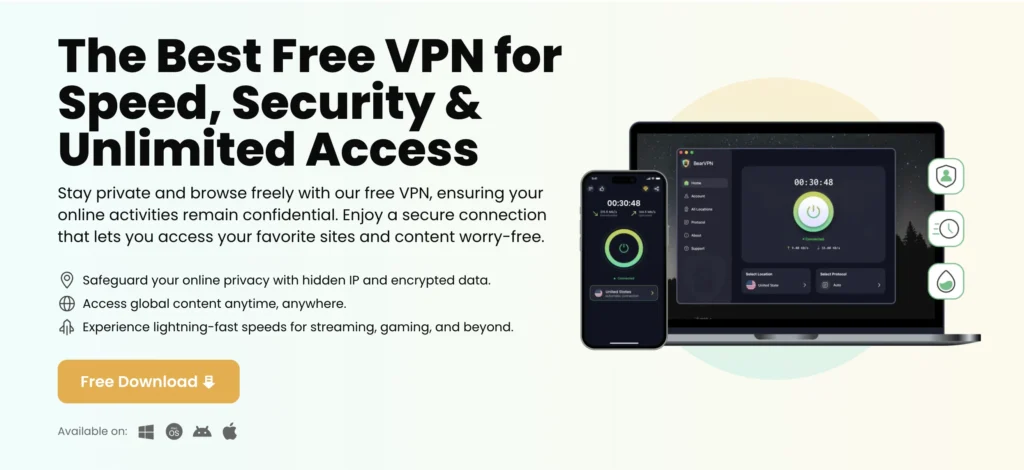
BearVPN makes the most sense if you want a Vietnam VPN that feels straightforward from day one. Its official site highlights lightning-fast speeds, support for up to 10 devices, a no-logs policy, and AES-256 encryption. Its Vietnam server page is also publicly available, which matters because not every provider makes Vietnam access a visible part of its product positioning.
Why it works well for Vietnam:
BearVPN is the easiest recommendation in this list if your priority is day-to-day convenience. It covers the practical needs behind this keyword: safer public Wi-Fi use, easy device switching, and direct Vietnam-server relevance. That makes it a good fit for travel, routine browsing, and general use without overcomplicating the setup.
Highlights:
- Vietnam server availability
- Up to 10 devices
- No-logs policy
- AES-256 encryption
Potential drawbacks:
- It has less third-party review history and less industry recognition than the biggest global VPN brands.
- Its publicly visible feature set looks more mainstream and convenience-focused than deeply specialist.
- Power users who want very granular controls may find PIA more flexible.
2. NordVPN — Best Overall Alternative for Vietnam
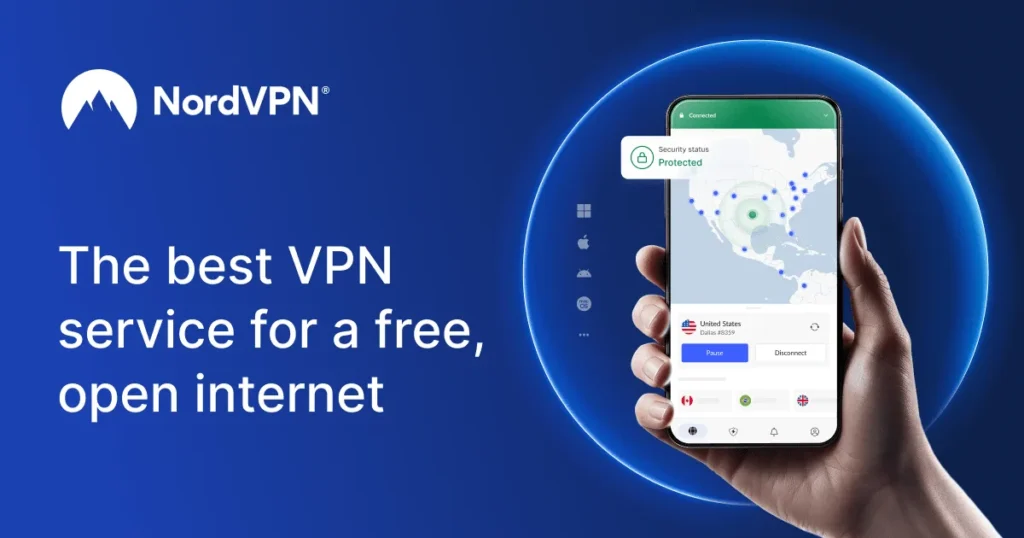
If you want the most conventional premium recommendation, NordVPN is the safest alternative on this list. NordVPN’s official pages promote virtual Vietnam servers, an automatic Kill Switch, Threat Protection, and support for up to 10 devices.
Why it works well for Vietnam:
NordVPN is strong when you want a broad all-rounder rather than a narrowly targeted tool. It is easy to justify for travel, general privacy, streaming, and public Wi-Fi protection because it combines a large network, a mature app ecosystem, and a strong market track record.
Highlights:
- Widely ranked best overall in Vietnam-focused guides
- Virtual Vietnam locations
- Kill Switch and Threat Protection
- Up to 10 devices
- Large global server network
Potential drawbacks:
- It is not the cheapest option.
- Its Vietnam presence is virtual, not physical, which may matter to some users.
- For readers who mainly want a simple daily-use VPN, it can feel like more product than they actually need.
3. Proton VPN — Best for Privacy-Focused Users
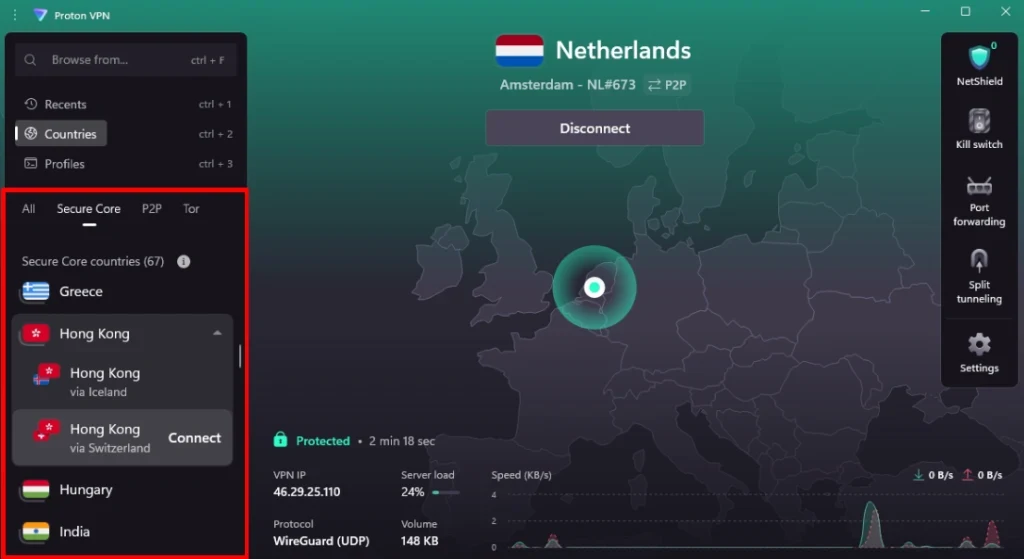
Proton VPN is the best fit for readers who put privacy posture ahead of convenience. Proton’s own site says it offers high-speed VPN servers in Vietnam, while its feature pages emphasize privacy, anti-censorship use, and Secure Core for extra protection.
Why it works well for Vietnam:
It is especially relevant if you care about Vietnam-specific location authenticity and stronger privacy branding. That combination will appeal to users who are more deliberate about server geography and transparency than the average casual VPN buyer.
Highlights:
- Strong privacy-focused positioning
- Vietnam servers on the official site
- Secure Core support
- Strong anti-censorship framing
Potential drawbacks:
- It is not always the simplest option for a first-time VPN user.
- Some everyday users may not need its privacy-first focus.
- Budget-focused readers may lean toward Surfshark instead.
4. Surfshark — Best Budget VPN for Vietnam
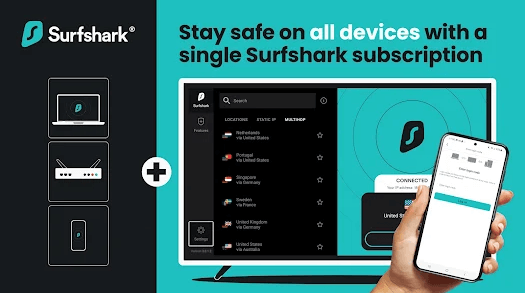
Surfshark is the value pick. It emphasizes unlimited devices, a verified no-logs policy, Bypasser split tunneling, Kill Switch, 4,500+ servers in 100+ countries, and a 30-day money-back guarantee.
Why it works well for Vietnam:
Surfshark is the easiest recommendation if you care about cost and device count. It works especially well for couples, families, or people who want to cover phones, laptops, tablets, and TVs under one subscription without micromanaging a device cap.
Highlights:
- Best budget positioning in the current Vietnam guides
- Unlimited simultaneous devices
- Bypass split tunneling
- Kill Switch
Potential drawbacks:
- It is less specifically tied to Vietnam as a product story than BearVPN or Proton VPN.
- Readers who want a more premium overall package may still prefer NordVPN
- Privacy-focused users may find Proton VPN’s identity more compelling.
5. Private Internet Access — Best for Advanced Control
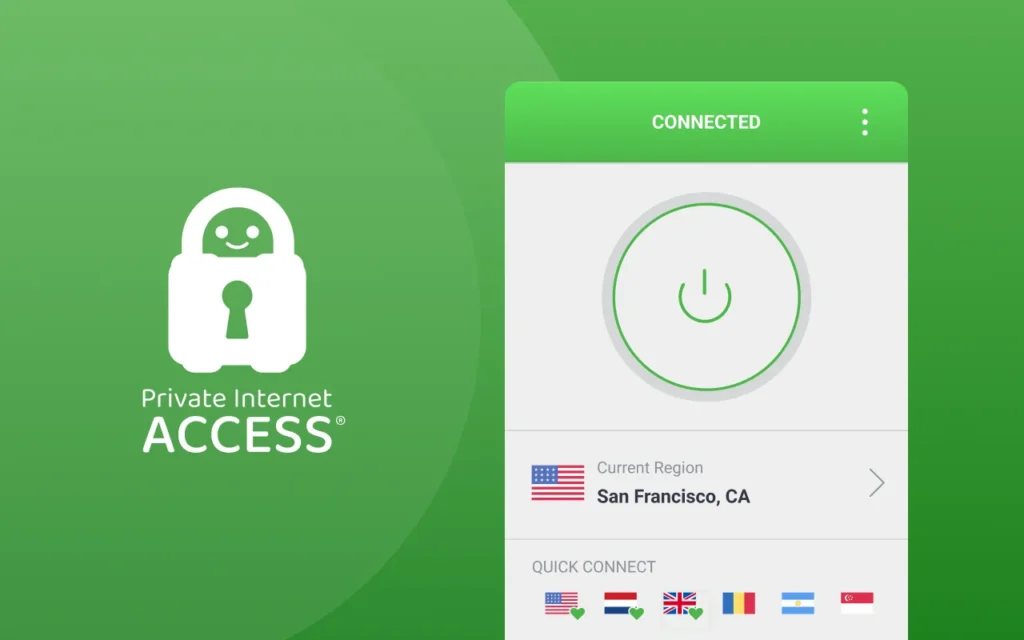
PIA belongs on this list because it serves a different kind of user. It provides Asia Pacific VPN servers and emphasizes split tunneling, port forwarding, no-logs, and broad server coverage across 90 countries, with servers in 148 locations.
Why it works well for Vietnam:
PIA is the choice for people who want more control over how traffic is handled. If you care about port forwarding, deeper split-tunneling behavior, or more manual tuning, it offers more flexibility than the average beginner-focused VPN.
Highlights:
- Advanced split tunneling
- Port forwarding support
- No-logs policy
- Broad location coverage
Potential drawbacks:
- It is less beginner-friendly than Surfshark.
- For simple travel or everyday browsing, it can feel overbuilt.
- It is easier to recommend to experienced users than to casual ones.
Which VPN Is Best for Different Needs in Vietnam?
Once you have seen the full list, the decision gets simpler. You do not need to pick the “most powerful” VPN in the abstract. You need the one that matches your normal use.
- Best for simple everyday use: BearVPN
- Best overall alternative: NordVPN
- Best for privacy: Proton VPN
- Best budget pick: Surfshark
- Best for advanced settings: Private Internet Access
That framework is also much closer to how top-ranking VPN comparison articles guide readers through the decision.
How to Get a Vietnamese IP Address With a VPN
This is a major sub-intent behind the keyword. If you are outside Vietnam and want to appear online as if you are inside the country, the process is simple: choose a VPN that offers Vietnam servers, install the app, connect to a Vietnam location, and verify your new IP with an IP checker. BearVPN publicly presents Vietnam as one of its available server locations.
The one thing you should not gloss over is server type. For many users, a Vietnam location is enough. For others, the difference between physical and virtual presence matters.
Are Free VPNs Good Enough for Vietnam?
For light experimentation, maybe. For regular use, usually not. Free VPNs often come with tighter server limits, lower speeds, less consistent performance, and weaker transparency around data handling. That is a bad trade if you want a VPN for travel, daily privacy, or reliable access. PIA’s own Linux page makes the same broad point about free VPN trade-offs, and paid services across this list all try to reduce risk with refund windows instead.
That is why the better question is not “Can I find a free VPN?” but “Can I test a paid VPN without getting trapped?” On that front, BearVPN, NordVPN, Surfshark, and PIA all give you a realistic test window.
Is It Legal to Use a VPN in Vietnam?
The mainstream guidance in current VPN articles is that VPN use in Vietnam is legal, but users still need to comply with local law and the terms of the services they access. TechRadar says VPN use is permitted in Vietnam, while also warning readers to be cautious around politically sensitive access. At the same time, the broader internet environment remains restrictive, according to Freedom House.
That is the sensible way to frame it. A VPN is a privacy and security tool. It can help protect your traffic, make public Wi-Fi safer, and give you more control over where your connection appears to come from. It is not a license to ignore local rules.
FAQs
1. What is the best VPN for Vietnam right now?
For simple everyday use, BearVPN is the most natural recommendation in this list. For a more established premium alternative, NordVPN is the strongest all-rounder in current Vietnam guides.
2. Which VPN has servers in Vietnam?
BearVPN publicly promotes Vietnam availability, Proton VPN says it offers servers in Vietnam, and NordVPN offers virtual Vietnam servers.
3. Can I get a Vietnamese IP address with a VPN?
Yes. You need a VPN that offers a Vietnam location, then connect to that server and confirm the IP change with an IP checker.
4. Is using a VPN legal in Vietnam?
Current mainstream guidance says yes, but you still need to follow local law and service terms.
5. Is a free VPN good enough for Vietnam?
Usually not for regular use. Free VPNs are more likely to disappoint in terms of speed, stability, and transparency, which matters more when you are using them on public Wi-Fi, while traveling, or for steady daily browsing.
Final Verdict
If you want the simplest answer, here it is. BearVPN is the best starting point for everyday use in Vietnam because its published feature set fits the practical needs behind this keyword: Vietnam-server relevance, no-logs positioning, AES-256 encryption, up to 10 devices. It is the easiest option in this list to recommend for normal daily use rather than specialist edge cases.