Key Takeaways:
- In 2026, WhatsApp bans are driven by national security, political control, and economic protection, not technical issues.
- Most countries enforce partial restrictions, especially on VoIP calls, rather than full messaging bans.
- These policies contribute to a growing “splinternet,” where access to global apps depends on location.
- Expats, travelers, and businesses are most affected, often losing their primary communication channel.
- Staying connected requires awareness of local regulations and the use of tools like VPNs, travel eSIMs, or licensed local apps.
For many of us, WhatsApp is more than just an app; it is our primary connection to family, a vital tool for business, and a window to the world. However, as of January 2026, the digital landscape remains fragmented. While billions use the platform freely, millions of others find themselves behind digital walls where the app is either partially restricted or completely banned.
Whether you are a frequent traveler, an expatriate working abroad, or a digital marketer, understanding the global status of WhatsApp is essential. This guide provides a comprehensive, in-depth analysis of which countries have banned WhatsApp in 2026, the specific reasons behind these restrictions, and the impact these bans have on society and the economy.
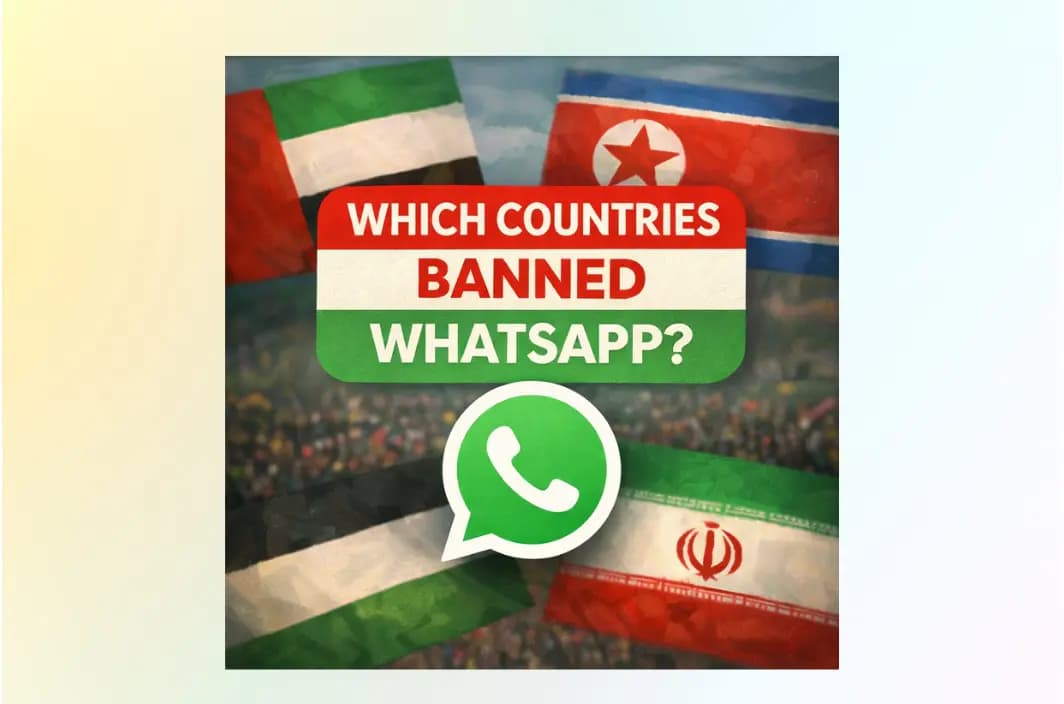
Which Countries Banned WhatsApp? A Global Overview
Global internet censorship is a shifting tide. Some countries maintain permanent bans that have lasted for years, while others implement temporary “blackouts” during periods of political sensitivity. In 2026, we categorize these restrictions into three main types: Total Bans, Partial/VoIP Restrictions, and Intermittent Blocks.
| Country | Restriction Type | Current Status | Primary Reason |
| North Korea | Total Ban | Persistent | Strict National Information Control |
| Iran | Total Ban | Active (January 2026) | Political Stability & Security |
| Turkmenistan | Total Ban | Persistent | Government Censorship |
| Russia | Partial / Throttled | Ongoing Restriction | Security & Data Compliance |
| United Arab Emirates (UAE) | VoIP Restriction | Persistent | Economic Protection & Regulation |
| Qatar | VoIP Restriction | Persistent | Telecom Revenue Protection |
| Syria | Intermittent | Periodic | Security Operations |
In-Depth Analysis of Country-Specific Bans
To understand the current state of digital communication, we must examine more closely why specific regions have chosen to limit or eliminate access to the world’s most popular messaging service.
1. North Korea: The Hermit Kingdom’s Digital Wall
In North Korea, WhatsApp is not just banned—it is virtually non-existent for the general population. The country operates a closed domestic intranet known as Kwangmyong. Access to the global internet is reserved for a tiny fraction of the political elite and authorized foreign personnel. For the average citizen, using an encrypted messaging app like WhatsApp is a high-risk activity that could lead to severe legal consequences.
2. Iran: Intermittent Turns to Persistent
As of early 2026, Iran continues to enforce one of the most rigorous blocking systems for social media. While the ban has been lifted and reinstated multiple times over the last decade, recent social movements have led the government to maintain a more permanent block on Meta-owned platforms. The Iranian government views WhatsApp’s end-to-end encryption as a hurdle to monitoring domestic communications during times of civil unrest.
3. Russia: The “Security” Squeeze
Throughout 2025 and into early 2026, Russia has significantly ramped up its pressure on WhatsApp. While messaging often remains functional, the government has targeted specific features.
- VoIP Throttling: Calls are frequently “jittery” or fail to connect as ISPs implement Deep Packet Inspection (DPI) to identify and slow down encrypted voice traffic.
- The “Channels” Conflict: Russia has warned Meta that the “Channels” feature could be used to spread “prohibited information,” leading to threats of a total ban if content is not moderated to government standards.
- The MAX Alternative: The Russian government is currently pushing citizens toward a state-backed alternative called MAX, which critics argue lacks the privacy protections found in WhatsApp.
4. United Arab Emirates (UAE) & Qatar: The VoIP Dilemma
Unlike the total bans seen in Iran or North Korea, the UAE and Qatar have a unique “Partial Ban.” In these countries, you can send texts, photos, and voice notes on WhatsApp without any issues. However, the moment you try to hit the “Call” button, the connection fails.
- The Reason: This is largely an economic decision. State-owned telecom giants like Etisalat and Du generate significant revenue from international calling and their own licensed VoIP apps (such as BOTIM).
- The Legal Landscape: While the use of VPNs is high in the UAE, the government has issued clear warnings in 2026: using a VPN to bypass government restrictions on VoIP can result in significant fines if detected.
Why Do Countries Ban WhatsApp? (The Three Pillars)
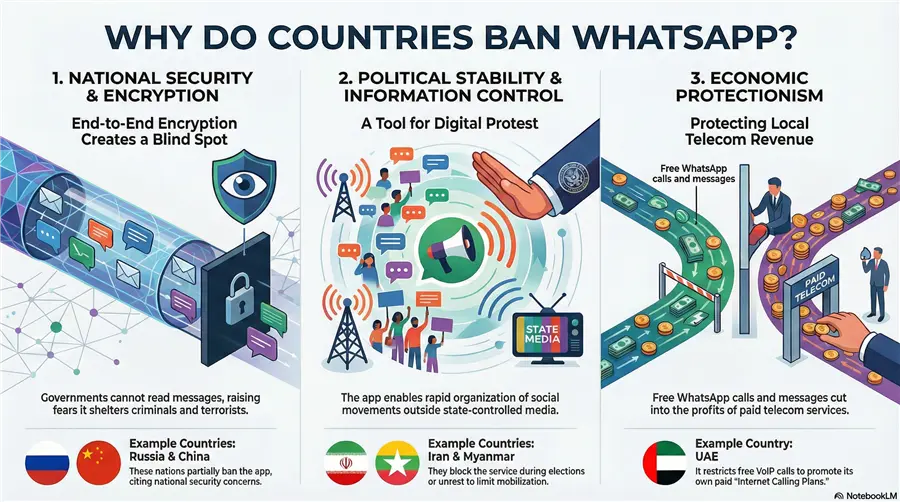
Governments do not ban apps like WhatsApp on a whim. Usually, the decision is rooted in one of three strategic pillars: National Security, Political Stability, or Economic Protection.
Pillar 1: National Security & Encryption Challenges
WhatsApp’s defining feature—End-to-End Encryption (E2EE)—ensures that only the sender and recipient can read messages. Not even Meta, WhatsApp’s parent company, can access the content. While this is a huge privacy win for users, it also raises concerns for governments.
Authorities often claim that E2EE creates a “safe haven” for criminals, terrorists, and cyberattackers. Without access to private communications, law enforcement agencies argue they are blind to plans for criminal activity, from organized crime operations to national security threats.
Technical Standoff: By 2026, this debate remains unresolved. Tech companies consistently resist creating “backdoors”—special access points that would allow government surveillance—because they would weaken security for everyone and could be exploited by malicious actors. Governments, on the other hand, insist that lawful access is crucial for investigations. The clash highlights a broader tension between privacy rights and state security, a challenge that extends beyond WhatsApp to other encrypted platforms like Signal and Telegram.
Example: Countries such as Russia and China have enacted legislation requiring encryption keys to be shared with authorities. WhatsApp’s refusal has led to partial or full bans in these regions, citing national security risks.
Pillar 2: Political Stability and Information Control
Information is power, and in countries with restricted media, WhatsApp functions as a “digital town square.” Its widespread adoption allows citizens to share news, coordinate, and mobilize faster than traditional, state-controlled media can react.
WhatsApp’s group chats and broadcast features enable real-time communication among hundreds or thousands of users. Governments worry that these networks can be leveraged to organize protests, social movements, or civil disobedience, particularly during sensitive periods such as elections, political crises, or mass protests.
The “Kill Switch”: To maintain control over information, some governments employ temporary shutdowns of WhatsApp or other messaging platforms. These measures are often justified as preventing the spread of misinformation, fake news, or unrest, though critics argue they suppress freedom of expression.
Example: In countries like Iran and Myanmar, WhatsApp has been temporarily blocked during periods of political tension to curb the organization of protests and limit rapid information dissemination.
Pillar 3: Economic Protectionism
Sometimes, bans on WhatsApp are less about politics and more about profit. In regions where traditional telecom companies rely heavily on paid voice and SMS services, free Internet-based messaging and calling apps represent a direct threat to revenue.
Telecom Revenue: WhatsApp calls bypass traditional phone networks, cutting into income from paid minutes or international calling. Governments that regulate telecommunications may side with local carriers to protect national revenue streams.

Licensed Alternatives: By restricting or banning WhatsApp calling features, authorities can push residents and visitors to use state-approved or licensed alternatives, which often come with subscription fees. For instance, in the UAE, residents must pay for “Internet Calling Plans” offered by local telecoms—a lucrative revenue stream—because VoIP services like WhatsApp and Skype are restricted.
Example: Similar protectionist measures exist in countries like Saudi Arabia and Oman, where alternative apps are promoted to support local service providers, while global apps face partial bans or heavy restrictions.
The Impacts of WhatsApp Bans on Modern Society
The ripple effects of a WhatsApp ban extend far beyond the inability to send a “Hello” to a friend. In 2026, these bans have tangible social and economic costs.
1. Breaking the Global Family Link
For the millions of expatriates working in the Middle East or Europe, WhatsApp is the primary way to stay in touch with family back home. When VoIP is restricted, the “emotional distance” between families grows, as many cannot afford the high cost of traditional international phone calls.
2. The “WhatsApp Business” Crisis
According to 2025-2026 market data, over 200 million small businesses worldwide rely on WhatsApp Business to manage orders, customer support, and marketing.
- Revenue Loss: In countries where WhatsApp is banned, small businesses lose access to their primary sales channel overnight.
- Customer Disconnect: Without the app, businesses have no way to reach their existing customer base, leading to a sudden and sharp drop in engagement and sales.
3. Digital Isolation and the “Splinternet”
The growing trend of banning global apps is leading to what experts call the “Splinternet”—a world where the internet is no longer global but divided into national zones. This isolation hinders international collaboration, scientific research, and global trade.
Solutions: How to Stay Connected Securely
If you are traveling to a country with restricted access, or if you live in a region where VoIP is blocked, there are several ways to maintain your digital connections securely and legally.
1. Using a High-Quality VPN (BearVPN)
A Virtual Private Network (VPN) is the most common and effective tool for bypassing digital restrictions. It works by creating a secure “tunnel” between your device and a server in another country, hiding your online activity from local ISPs and government surveillance.
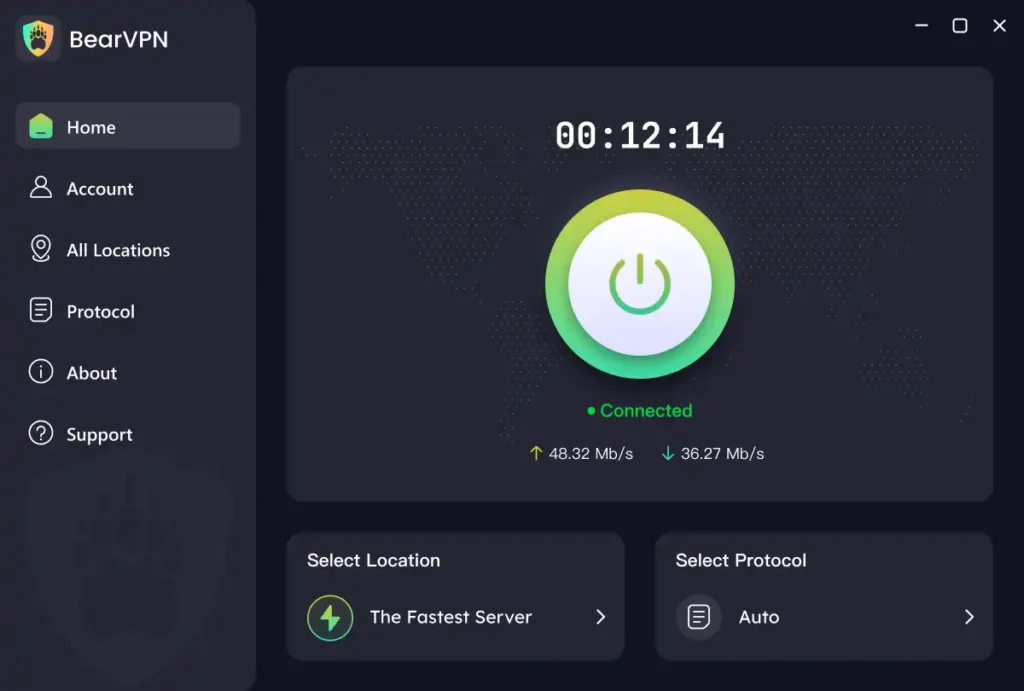
How BearVPN Helps:
- Advanced Encryption: BearVPN encrypts all traffic, ensuring that local ISPs or authorities cannot see your activity, whether you’re browsing, messaging, or making VoIP calls.
- Obfuscation Technology: Many countries in 2026 use “VPN Blockers” to detect and block standard VPN traffic. BearVPN disguises VPN traffic to appear like normal web browsing, bypassing even the strictest firewalls.
- Latency Optimization: For VoIP calls or live streaming, latency is critical. BearVPN’s intelligent server network lets you connect to nearby regions, keeping calls clear, stable, and uninterrupted.
- Extensive Server Network: Over 2,000 high-speed servers across 50+ regions allow you to choose the fastest, most reliable route for your connection.
- Unlimited Bandwidth: No caps or throttling, so you can make calls, stream content, or browse freely without worrying about data limits.
- One-Click Ease: BearVPN’s user-friendly interface makes setup simple—even for beginners—so you can connect securely in seconds.
Whether your goal is to access restricted apps, maintain VoIP connectivity, or safeguard your online privacy, BearVPN provides a fast, secure, and reliable solution for staying connected anywhere in the world.
Disclaimer
The information provided in this article is for educational and informational purposes only. Accessing certain websites or using VPNs in countries with restrictive laws may be subject to local regulations. Readers are responsible for ensuring that their use of VPNs, proxies, or alternative payment methods complies with all applicable laws and regulations in their jurisdiction. The author and BearVPN assume no liability for any legal, financial, or other consequences resulting from the use of the tools or methods described in this article.
2. Travel eSIMs and Roaming
For short-term visitors to countries like the UAE, using an international roaming plan or a Travel eSIM can often bypass local VoIP blocks.
When you use a roaming SIM from your home country (e.g., a US or UK SIM), your data traffic is often routed back through your home country’s servers before reaching the internet. Since WhatsApp is legal in your home country, the calls work even while you are physically in a restricted zone.
3. Licensed Local Alternatives
While not free, most countries with VoIP bans offer licensed alternatives. In the UAE, apps like BOTIM or GoChat are officially sanctioned. While these apps may require a monthly fee and lack the end-to-end encryption of WhatsApp, they provide a legal and stable way to make video calls.
Conclusion
The map of “Which countries banned WhatsApp” is constantly changing. In 2026, the digital world is a battleground between user privacy and government regulation. While the reasons for these bans range from economic protectionism to national security, the result is the same: a more divided and less connected global community.
For those who must navigate these restricted waters, tools like BearVPN and Travel eSIMs remain vital lifelines. By staying informed and using the right technology, you can ensure that your voice is never silenced by a digital wall.
FAQs: Which Countries Banned WhatsApp
Is WhatsApp banned in Russia in 2026?
WhatsApp is currently in a state of “threatened” status. While the app is functional for messaging, the government has imposed restrictions on VoIP and is monitoring “Channels” closely. Many users rely on VPNs like BearVPN to ensure their connection remains stable and private.
Can I get arrested for using a VPN for WhatsApp?
In most countries, using a VPN is perfectly legal for privacy and security. However, in some jurisdictions (like the UAE or Russia), using a VPN specifically to access illegal or blocked content can lead to fines. Always use VPNs for their intended purpose: privacy and security.
Why can’t I make WhatsApp calls in Dubai?
This is due to local telecommunications laws that restrict VoIP services to licensed providers only. Texting works fine, but voice and video calls are blocked on local Wi-Fi and mobile networks.
What are the best alternatives to WhatsApp if it is banned?
If WhatsApp is totally inaccessible, many users turn to Signal (for privacy) or Telegram (for large groups). However, these apps are often subject to the same bans as WhatsApp in the countries listed above.