Switzerland has long been considered a global “data haven,” a sanctuary for digital privacy away from the prying eyes of the Fourteen Eyes alliance. However, as we move through 2026, the landscape is shifting. With the full implementation of the latest VÜPF (Federal Act on the Surveillance of Post and Telecommunications) revisions, the Swiss government has increased pressure on local Internet Service Providers (ISPs) to retain metadata, making the use of a robust VPN no longer a luxury, but a necessity for anyone living in or visiting the Alpine nation.
Whether you are looking to secure your connection against these new surveillance mandates, access Swiss TV like SRF and RTS while traveling abroad, or unlock international streaming libraries from within Zurich or Geneva, choosing the right provider is critical.
Key Takeaways: Best Switzerland VPNs at a Glance
Before we dive into the technical details, here is a quick summary of the current VPN environment in Switzerland for 2026:
- Legality: VPNs are fully legal in Switzerland for privacy protection and bypassing geo-blocks, though illegal activities remain prohibited.
- Top Recommendation:BearVPN offers excellent value with 4K-ready speeds, stealth protocols, and support for 10 devices starting at $1.67/month.
- Privacy Alert: Updated VÜPF surveillance laws require Swiss ISPs to retain user metadata for up to six months, increasing the importance of encrypted connections.
- Best for Streaming: Providers like BearVPN and CyberGhost offer reliable Swiss IP servers to access platforms such as SRF, RTS, and Zattoo without proxy errors.
Why You Need a VPN in Switzerland in 2026
Switzerland’s reputation for privacy has faced significant challenges over the last year. If you aren’t using a VPN yet, here are the three primary reasons why your digital footprint is currently at risk.
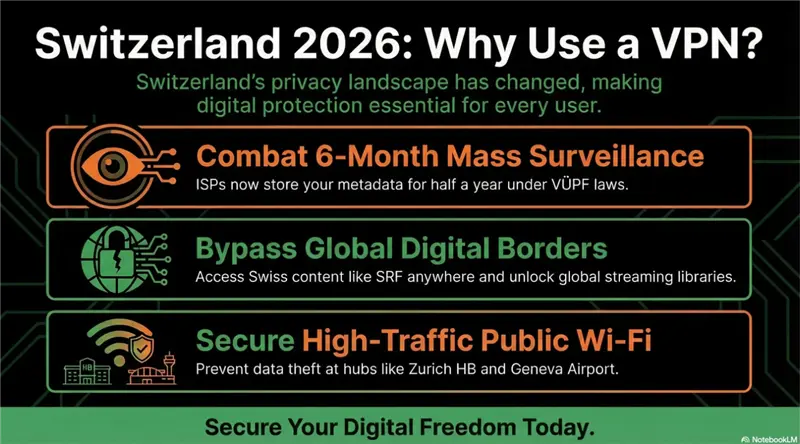
1. Combatting Mass Surveillance (VÜPF/BÜPF Updates)
The Swiss Federal Act on the Surveillance of Post and Telecommunications (VÜPF) has undergone significant updates between 2025 and 2026. Under these new mandates, Swiss ISPs are required to store metadata—which includes who you messaged, when you were online, and your IP address history—for a period of six months. While the government argues this is for crime prevention, it creates a massive database of your private habits. A VPN like BearVPN encrypts your traffic before it even reaches your ISP, ensuring that the only data they can “log” is an undecipherable string of code.
2. Bypassing Digital Borders (Global Streaming)
Switzerland often falls into its own licensing category for streaming services. This means your Netflix Switzerland library is different from Netflix US, and local services like SRF (Schweizer Radio und Fernsehen) are strictly geo-blocked once you cross the border into France, Italy, or Germany. By using a VPN to obtain a Swiss IP address, you can carry your home content with you anywhere in the world.
3. Secure Public Wi-Fi in High-Traffic Hubs
Whether you are waiting for a train at Zurich HB or killing time at Geneva Airport, public Wi-Fi remains a primary target for “man-in-the-middle” attacks. Hackers can easily intercept unencrypted data on these shared networks. A VPN creates a secure tunnel, making it impossible for others on the same network to see your passwords, credit card details, or private emails.
10 Best VPNs for Switzerland: Expert Reviews
1. BearVPN — Best Overall Value for Swiss Users
BearVPN has become an increasingly popular option among users in Switzerland who want strong privacy protection without paying premium VPN prices. While the Swiss internet infrastructure is already fast and reliable, users are becoming more concerned about metadata retention requirements introduced under the updated VÜPF regulations.
BearVPN addresses these concerns with strong encryption and a strict no-logs policy, ensuring that even if Swiss ISPs are required to store metadata, your browsing activity remains private.
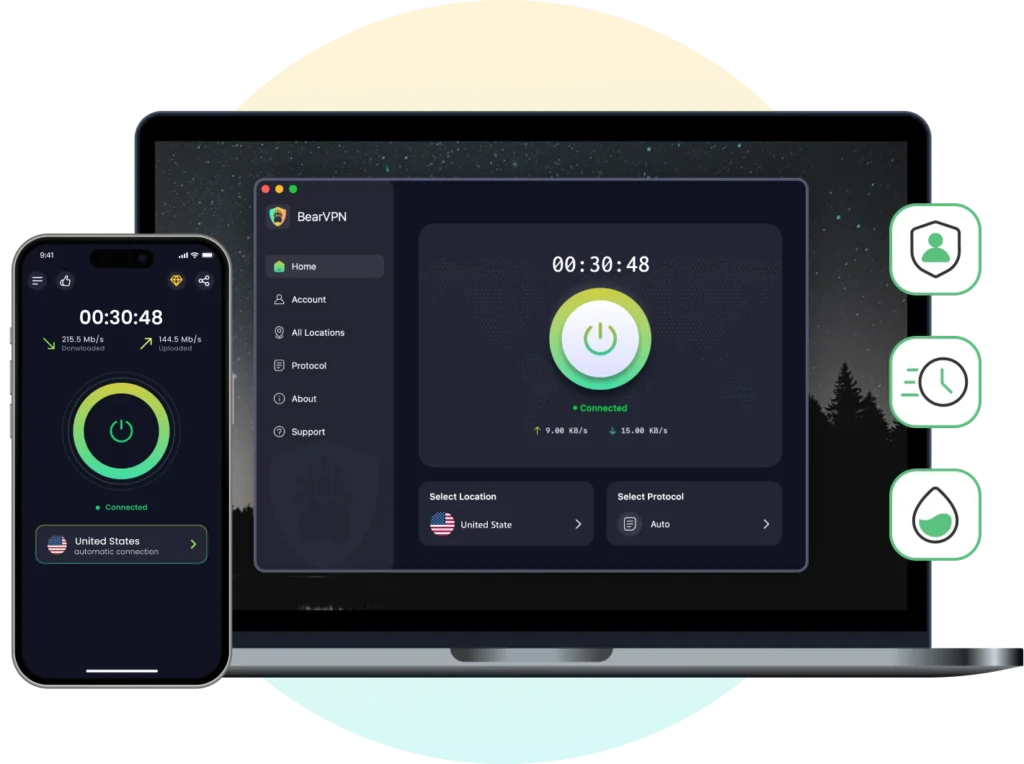
The service operates 2000+ servers across 50+ regions, including Swiss locations in cities such as Zurich and Geneva. This allows users to easily obtain a Swiss IP address to access local platforms like: Schweizer Radio und Fernsehen, RTS and Zattoo.
BearVPN also performs well on Switzerland’s high-speed fiber networks, maintaining smooth speeds for 4K streaming and international connections.
Another major advantage is pricing. With plans starting around $1.67/month, it offers significantly better value than most premium VPN providers while still supporting 10 simultaneous devices.
Best for Swiss users who:
- Want strong privacy at a low price
- Travel frequently and need Swiss IP access abroad
- Stream Swiss TV platforms outside the country
alt: Best VPNs for Switzerland – BearVPN
Pros
- Very affordable long-term pricing
- Fast speeds suitable for 4K streaming
- Easy-to-use apps across major platforms
Cons
- Smaller brand compared to large VPN providers
- Fewer advanced customization settings for power users
Pricing: Starts at $1.67/month (long-term plan)
Why BearVPN is the Best Choice for Swiss Users
While there are many “big names” in the VPN industry, BearVPN offers a specific set of features tailored for the evolving Swiss internet landscape of 2026.
Privacy-First Protocols (SLProxy & SCProxy)
Standard VPN protocols like OpenVPN are increasingly easy for ISPs and streaming services to detect. BearVPN utilizes SLProxy and SCProxy, proprietary protocols designed to “obfuscate” your traffic. This makes your VPN data look like regular HTTPS traffic, allowing you to bypass strict network filters in workplaces or countries with high censorship.
Family-Scale Protection
In an era where every person has a phone, a laptop, and a tablet, the old “5-device limit” doesn’t work. BearVPN allows 10 simultaneous connections per account. You can protect your home router, your children’s iPads, and your work laptop all under one subscription.
Streaming Mastery
Netflix and Hulu are constantly blacklisting VPN IP addresses. BearVPN counters this with a dedicated team that constantly rotates its IP pool. Specifically for Switzerland, BearVPN is optimized for 4K playback on local platforms, ensuring you never see the dreaded “spinning wheel” during a crucial football match on SRF.
2. NordVPN – Best for Advanced Security
NordVPN is widely considered one of the most security-focused VPN providers available. For Swiss users who are particularly concerned about surveillance under the updated VÜPF monitoring framework, NordVPN’s advanced security features offer additional peace of mind.
Its Double VPN routing, Threat Protection system, and RAM-only server infrastructure provide multiple layers of security designed to prevent data tracking and exposure.
This level of protection can be especially appealing for professionals working in Switzerland’s large banking, finance, and international consulting sectors, where data privacy is taken very seriously.
However, NordVPN’s subscription plans are noticeably more expensive than BearVPN. For many everyday users who mainly want streaming access or general browsing privacy, the additional enterprise-grade security features may not justify the higher cost. This is the primary reason it ranks second in this list.
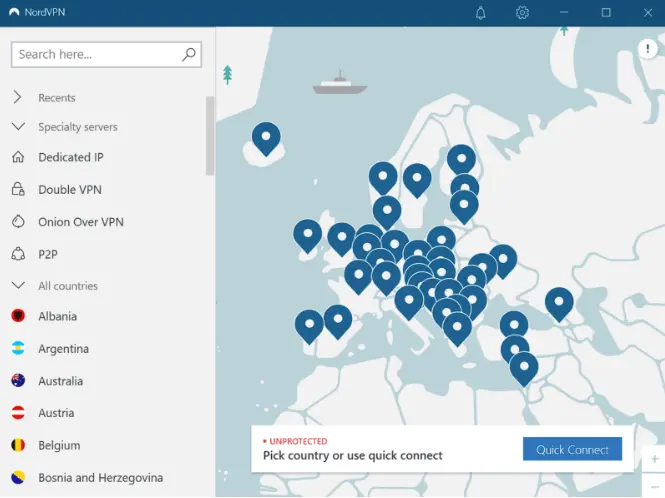
Key Features
- 7000+ servers worldwide
- NordLynx protocol based on WireGuard
- Double VPN multi-hop encryption
- Threat Protection malware and tracker blocking
- RAM-only servers for enhanced security
Pros
- Industry-leading security features
- Excellent speeds for streaming and gaming
- Strong reputation and an audited no-logs policy
Cons
- Higher price than some competitors
- The interface may feel complex for beginners
Pricing: From about $3.39/month on long-term plans
3. Total VPN – Best Budget Alternative
Total VPN focuses on simplicity and affordability. While it lacks some advanced features, it still provides the core functionality many users need, such as encryption and IP masking.
For users who only need occasional privacy protection on public Wi-Fi networks—such as when traveling through Zurich Airport or Geneva Airport—Total VPN can be a simple starting point.
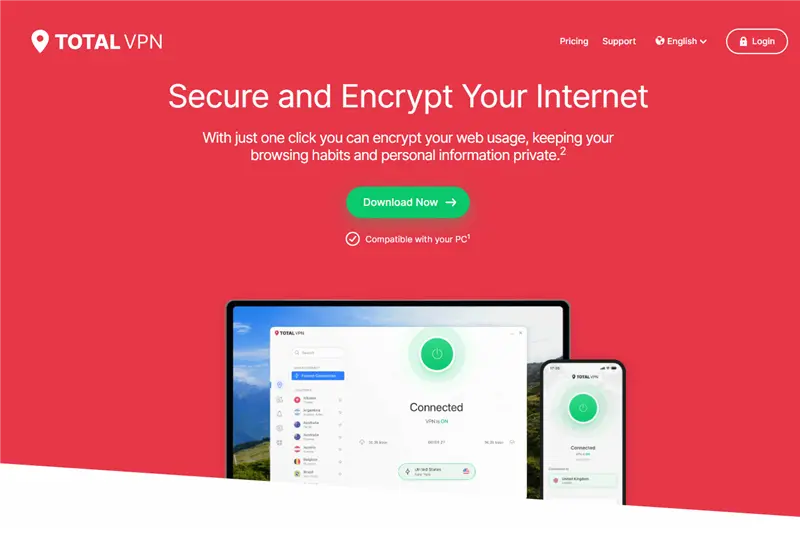
Key Features
- Standard encryption
- Easy-to-use interface
- Basic IP masking and security
Pros
- Very affordable
- Simple setup for beginners
Cons
- Smaller server network
- Limited advanced security features
Pricing: Typically around $1–$2/month on promotional plans
4. Mullvad VPN – Most Anonymous VPN
Mullvad VPN is widely respected among privacy advocates because it removes almost all personal data from the signup process. Instead of requiring an email address, Mullvad assigns users a random account number, and it even accepts anonymous payments such as cryptocurrency or cash.
For Swiss users who value privacy as part of Switzerland’s long-standing digital freedom culture, this approach is particularly appealing.
However, Mullvad’s server network is smaller and it is not always the most reliable choice for streaming platforms.
Key Features
- Anonymous account system
- Strong no-logs policy
- Open-source applications
- WireGuard and OpenVPN support
Pros
- Exceptional privacy protection
- Transparent security practices
- Anonymous payment options
Cons
- Smaller server network
- Not always reliable for streaming
Pricing: Flat rate €5/month (no discounts)
5. ExpressVPN – Fastest for Streaming Swiss TV
ExpressVPN is widely known for its fast and reliable connections. Its proprietary Lightway protocol provides excellent speed stability, making it ideal for streaming Swiss channels like SRF and RTS from abroad.
Key Features
- 3000+ servers in 100+ countries
- Lightway high-speed protocol
- TrustedServer technology (RAM-only infrastructure)
- Strong encryption and privacy protection
Pros
- Extremely reliable for streaming services
- Fast connection speeds globally
- Easy-to-use apps across devices
Cons
- One of the most expensive VPNs
- Only 8 simultaneous device connections
Pricing: Starts around $4.99/month with annual plans
6. Proton VPN – Best Swiss-Based VPN
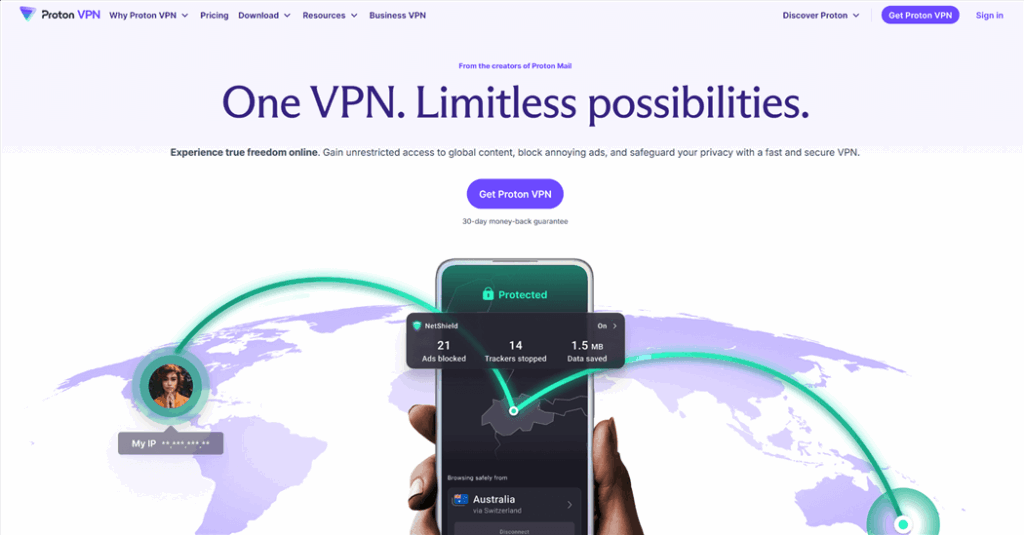
Proton VPN is developed by the same team behind Proton Mail and is headquartered in Switzerland. It is widely respected for its transparency and privacy-first philosophy, offering features like Secure Core multi-hop routing and open-source apps.
Key Features
- Secure Core multi-hop servers
- Strong AES-256 encryption
- Open-source applications
- No-logs policy independently audited
Pros
- Strong focus on privacy and transparency
- Excellent free plan available
- Very secure infrastructure
Cons
- Paid plans are slightly expensive
- Some advanced features missing on certain platforms
Pricing
- Free plan available
- Paid plans from about $2.99/month
7. Surfshark – Best for Unlimited Devices
Surfshark is particularly attractive for Swiss households with many connected devices.
With Switzerland’s extremely high internet penetration and widespread use of smart TVs, laptops, and mobile devices, many families prefer VPN services that allow multiple connections at once.
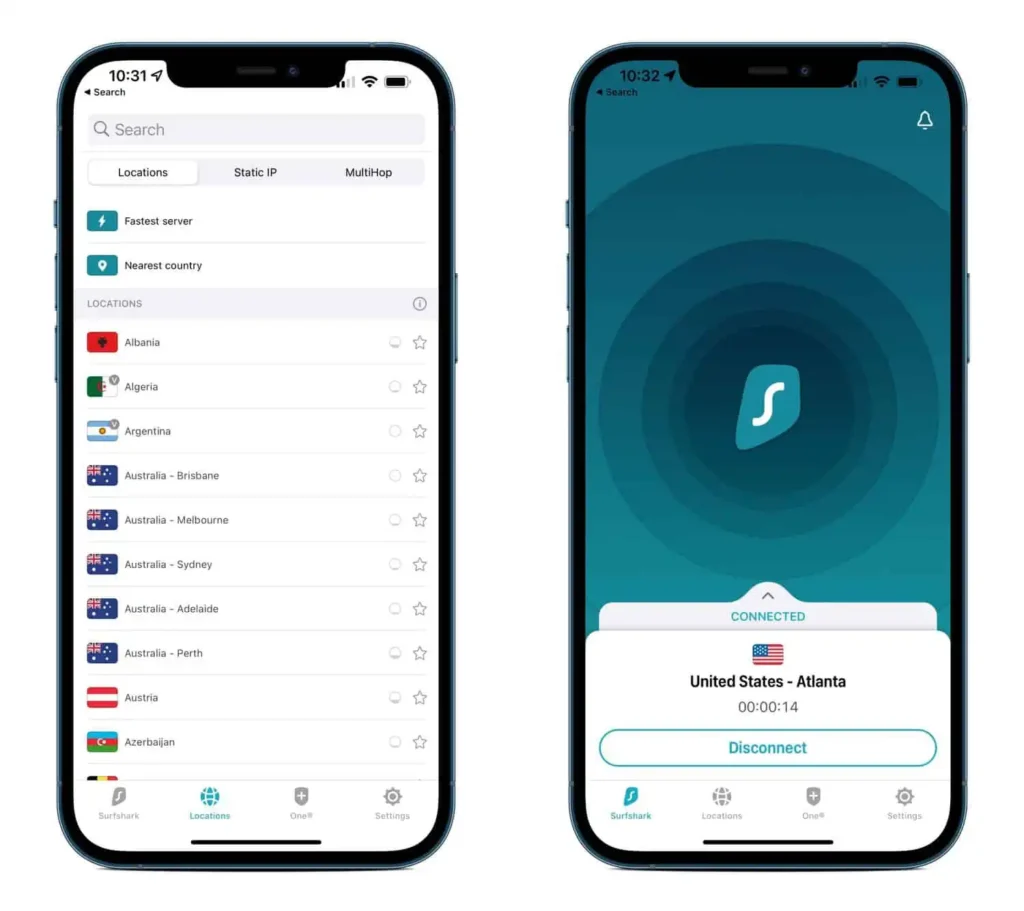
Surfshark supports unlimited simultaneous connections, making it possible to protect an entire household under one subscription.
Key Features
- Unlimited device connections
- CleanWeb ad and tracker blocking
- MultiHop double VPN routing
- 4500+ servers globally
Pros
- Unlimited devices per account
- Competitive pricing
- Strong security features
Cons
- Occasionally, inconsistent speeds on some servers
- Some advanced features are limited to higher plans
Pricing: Starts at $1.99/month on long-term plans
8. CyberGhost – Best for Streaming Servers
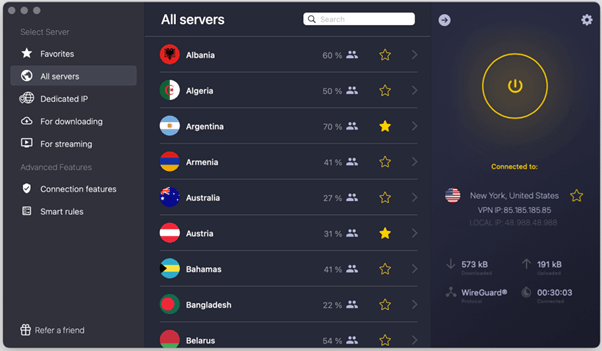
CyberGhost offers specialized streaming servers that simplify the process of accessing international content libraries.
Swiss users often find that their local streaming catalogs are smaller than those available in the United States or the UK. CyberGhost helps solve this problem by providing servers optimized for specific streaming services.
Its interface is also beginner-friendly, making it a good choice for users who want a simple streaming solution.
Key Features
- 11,000+ servers worldwide
- Dedicated streaming servers
- Strong encryption and privacy protection
- Automatic kill switch
Pros
- Very easy to use
- Optimized servers for streaming
- Large server network
Cons
- Apps sometimes feel slower than competitors
- Limited customization for advanced users
Pricing: Starts around $2.19/month with long-term plans
9. Private Internet Access – Best for Large Server Network
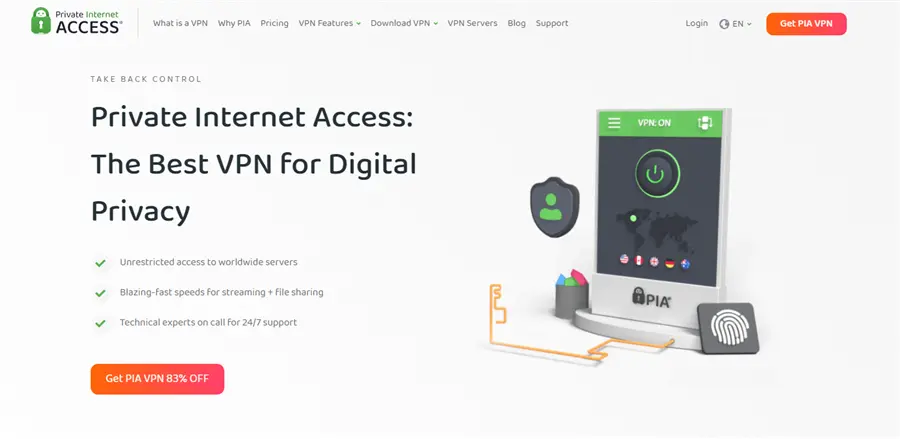
Private Internet Access is a popular option among technically experienced users who want detailed control over encryption and connection settings.
The service offers highly customizable security options and open-source apps, which may appeal to Switzerland’s large community of developers and IT professionals.
However, the interface can feel less beginner-friendly than some competing VPNs.
Key Features
- 35,000+ servers worldwide
- Highly customizable security settings
- Built-in ad and malware blocking
- Open-source apps
Pros
- Huge server network
- Highly configurable settings
- Good value for long-term plans
Cons
- Interface less beginner-friendly
- U.S. jurisdiction may concern privacy purists
Pricing: From $2.03/month on long-term plans
10. IPVanish – Strong Performance for Multi-Device Users
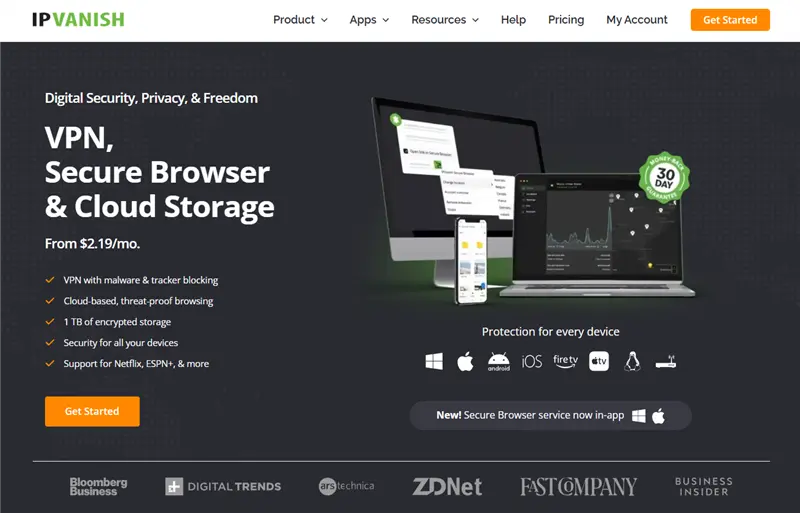
IPVanish is known for owning and operating much of its own server infrastructure, which helps maintain consistent speeds.
This infrastructure control can be useful for Swiss users connecting to nearby European countries such as Germany, France, or Italy, where shorter distances help maintain low latency.
Key Features
- 2400+ servers globally
- Unlimited device connections
- Strong encryption and kill switch
- High-speed connections for streaming
Pros
- Good speeds and stability
- Unlimited devices
- Strong control over server infrastructure
Cons
- Fewer extra features compared to competitors
- Apps can feel outdated
Pricing: From about $2.19/month with long-term plans
VPN Comparison Table for Switzerland
| VPN Provider | Servers / Locations | Device Limit | Key Security Features | Starting Price |
| BearVPN | 2000+ servers / 50+ regions | 10 devices | SLProxy & SCProxy stealth protocols, no-logs encryption | $1.67/month |
| NordVPN | 7000+ servers / 118 countries | 10 devices | NordLynx protocol, Double VPN, Threat Protection | $3.39/month |
| ExpressVPN | 3000+ servers / 105 countries | 8 devices | Lightway protocol, RAM-only servers | $4.99/month |
| Proton VPN | 10,000+ servers (paid) / 110+ countries | 10 devices | Secure Core multi-hop routing, open-source apps | $2.99/month |
| Surfshark | 4500+ servers / 100 countries | Unlimited | CleanWeb ad blocker, MultiHop | $1.99/month |
| CyberGhost | 11,000+ servers / 100 countries | 7 devices | Dedicated streaming servers, strong encryption | $2.19/month |
| Private Internet Access | 35,000+ servers / 91 countries | Unlimited | Custom encryption settings, open-source apps | $2.03/month |
| IPVanish | 2400+ servers / 108 countries | Unlimited | AES-256 encryption, kill switch | $2.19/month |
| Total VPN | ~1800 servers / 90 countries | 5 devices | Basic encryption and IP masking | ~$1–$2/month |
| Mullvad | 690+ servers / 52 countries | 5 devices | Anonymous account system, WireGuard support | €5/month |
How to Get a Swiss IP Address with BearVPN (Step-by-Step)
Getting your connection secured takes less than five minutes. Follow these steps to appear as if you are browsing from within the Swiss Alps:
- Subscribe: Visit BearVPN.com and select the ultra-low $1.67/month plan.
- Install: Download the official app for your specific device (Windows, macOS, iOS, Android, or even Linux).
- Connect: Open the app and navigate to the server list. Select a Zurich or Geneva node from the 2000+ global server list.
- Verification: Once the “Protected” status appears (as seen in the screenshot below), visit a site like whatismyip.com to confirm your new Swiss digital identity.
Is VPN Legal in Switzerland? (2026 Legal Status)
This is the most common question we receive. The short answer is: Yes, using a VPN is 100% legal in Switzerland.
However, there is a nuance that users must understand:
- Privacy vs. Piracy: Using a VPN to encrypt your personal data, prevent ISP tracking, or access your own home streaming accounts is a protected right to privacy.
- The Nuance: Using a VPN does not grant you immunity from the law. If you use an encrypted connection to perform illegal acts—such as hacking or the commercial distribution of copyrighted material—the act remains illegal, even if the VPN makes it harder for you to be caught.
Given the 2026 data retention laws, using a no-logs provider like BearVPN is actually a recommended practice for law-abiding citizens who simply wish to keep their personal data out of government databases.
Troubleshooting: Common Issues in Switzerland
Even the best VPNs occasionally hit a snag. If you’re having trouble in Switzerland, try these quick fixes:
- Streaming Error (“Proxy Detected”): This usually happens because the streaming site has cached your old, non-VPN location. Fix: Clear your browser cache or use “Incognito Mode” after connecting to the VPN.
- Slow Speeds: If your connection feels sluggish, it might be the encryption overhead. Fix: Switch from the standard OpenVPN protocol to the faster SCProxy protocol in your BearVPN settings.
- Connection Drops: If your internet stops working entirely, your Kill Switch might be active. This is a safety feature that cuts your internet if the VPN drops to prevent data leaks. Fix: Simply reconnect to a different Swiss server node.
FAQs About VPNs in Switzerland
- Are VPNs legal in Switzerland?
Yes. VPNs are completely legal for privacy, security, and bypassing geographical restrictions on content.
- Can I watch SRF from abroad with a VPN?
Yes. By connecting to a BearVPN server located in Zurich or Geneva, you will be assigned a Swiss IP address, which allows you to bypass the SRF and RTS geo-blocks.
- Will a VPN slow down my Swiss internet?
High-quality VPNs like BearVPN have a negligible impact on speed. Because Swiss fiber-optic networks are so fast, the 5-10% speed loss from encryption is usually not noticeable during 4K streaming or gaming.
- Is torrenting legal in Switzerland with a VPN?
In Switzerland, downloading copyrighted content for personal use is generally not prosecuted. However, uploading or seeding that content is restricted. Using a VPN is highly recommended to prevent your IP from being logged by copyright trolls.
- Do I need a VPN if I live in Switzerland?
Yes. Due to the 2026 VÜPF surveillance mandates, Swiss ISPs now log metadata for six months. A VPN is the only way to ensure your browsing history remains your own business.
- Do Swiss VPN servers provide faster speeds?
Yes, connecting to a VPN server located in Switzerland usually provides faster speeds if you are physically near the region. Shorter distances reduce latency and help maintain higher download speeds for streaming, browsing, and gaming.
- Can I get a Swiss IP address with a VPN?
Yes. Most premium VPN providers offer servers located in cities like Zurich or Geneva. Once you connect to one of these servers, your real IP address is replaced with a Swiss IP, allowing websites to treat your connection as if it originates from Switzerland.
- Which VPN works best for watching Swiss TV abroad?
A VPN with reliable Swiss servers and strong streaming support works best. Providers like BearVPN, ExpressVPN, and CyberGhost are known for successfully unblocking Swiss platforms such as SRF, RTS, and Zattoo.
Conclusion
Switzerland remains one of the best places in the world for digital citizens, but the “golden age” of total ISP privacy is coming to an end. With the 2026 surveillance laws in full effect, your metadata is more exposed than ever before.
Don’t leave your digital footprint to chance. Protect your privacy, unlock global content, and secure your family’s devices with a provider that understands the modern Swiss landscape.
Start your 30-day risk-free journey with BearVPN for just $1.67/month today!